

Cabin Catch Up: Thompson Aero Seating

Cabin Catch Up: Thompson Aero Seating

Our Cabin Catch Up interview series is where you will find insights from people within the cabin interiors industry.

This week we are joined by Jonny McGreevy, Head of Design, Thompson Aero Seating. With the launch of the new VantageSOLO onboard JetBlue aircraft, this was a perfect time to catch up and find out how they faced the challenges of 2020 and what they are looking forward to in 2021:


What has your journey been like with AIX?

Thompson’s journey has been one of exciting development and expansion. When we started exhibiting at AIX it was just as Thompson Aero Seating. In 2016, we were exhibiting as part of the AVIC group, having been acquired by AVIC International. In 2018, AVIC Cabin Systems (ACS) was formed, a group comprising AIM Altitude, FACC, Fesher, Jiatai, and Thompson. Visitors to our stand, and the stands of the collaborating companies, will have noticed our alliance becoming closer and more interwoven. AIX will be a chance for our full assimilation under ACS to be demonstrated, along with all the positive impacts that has for our airline customers.

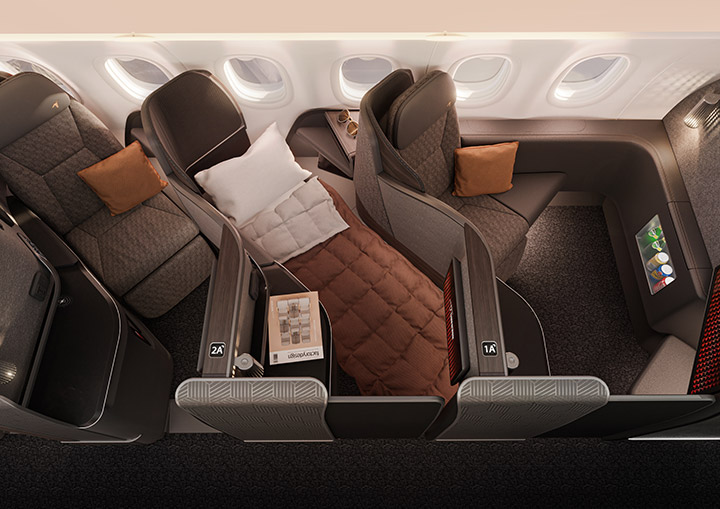
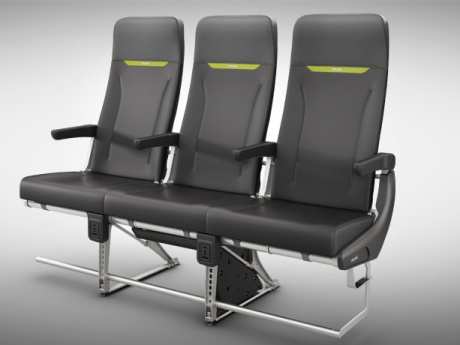
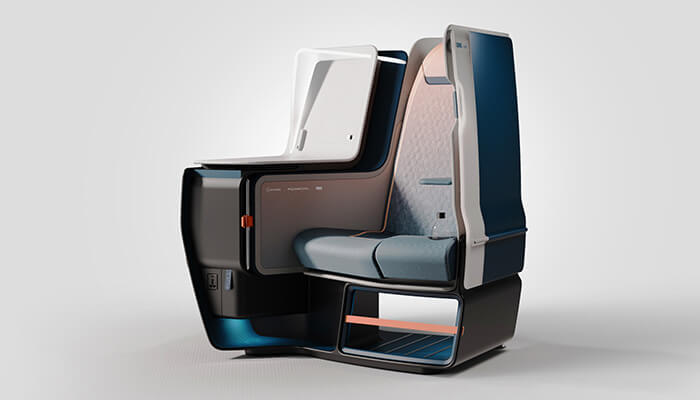
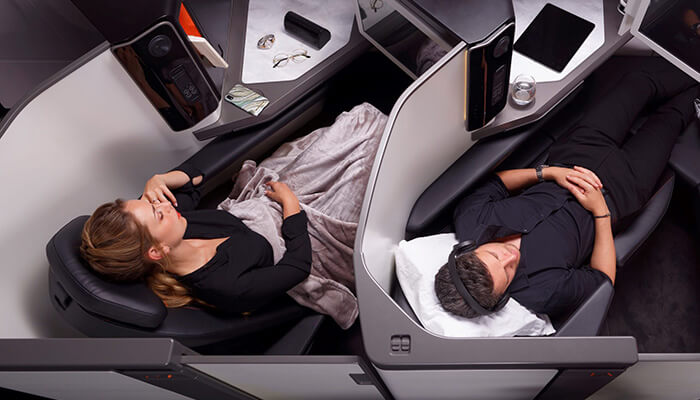
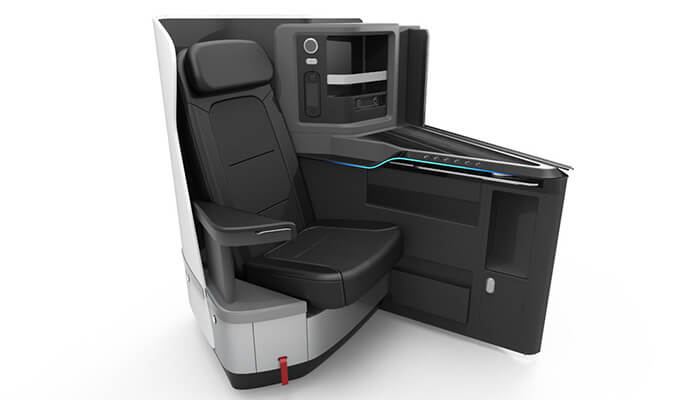
The VantageSOLO seat can transform into a full flat bed.

How did your business manage through the challenging year of 2020?

We already had several contracts in place, including one to produce our VantageSOLO seats in a bespoke format for JetBlue’s Mint Suite. Working under Covid-secure conditions was of course a challenge at first, as it was for all companies, particularly those in manufacturing. We quickly put systems in place to allow our production to carry on while keeping our staff safe.

What positives have come out of 2020 for your business?

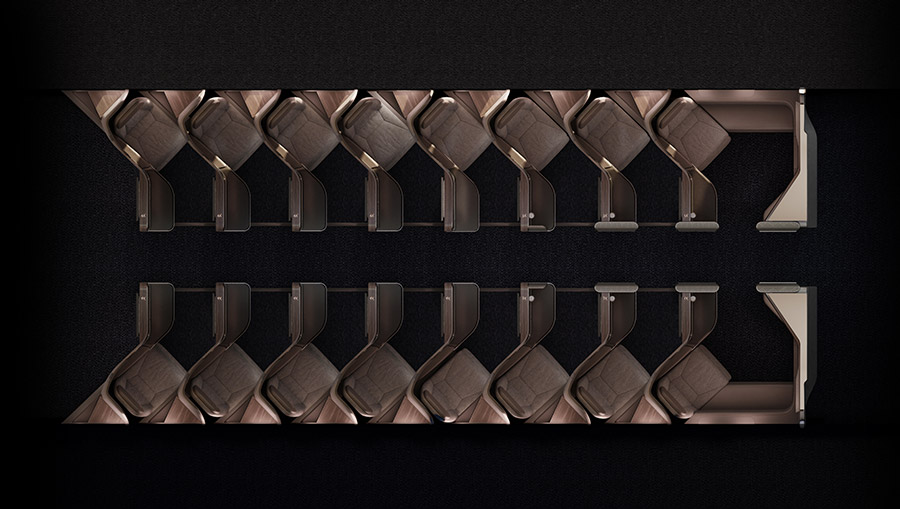
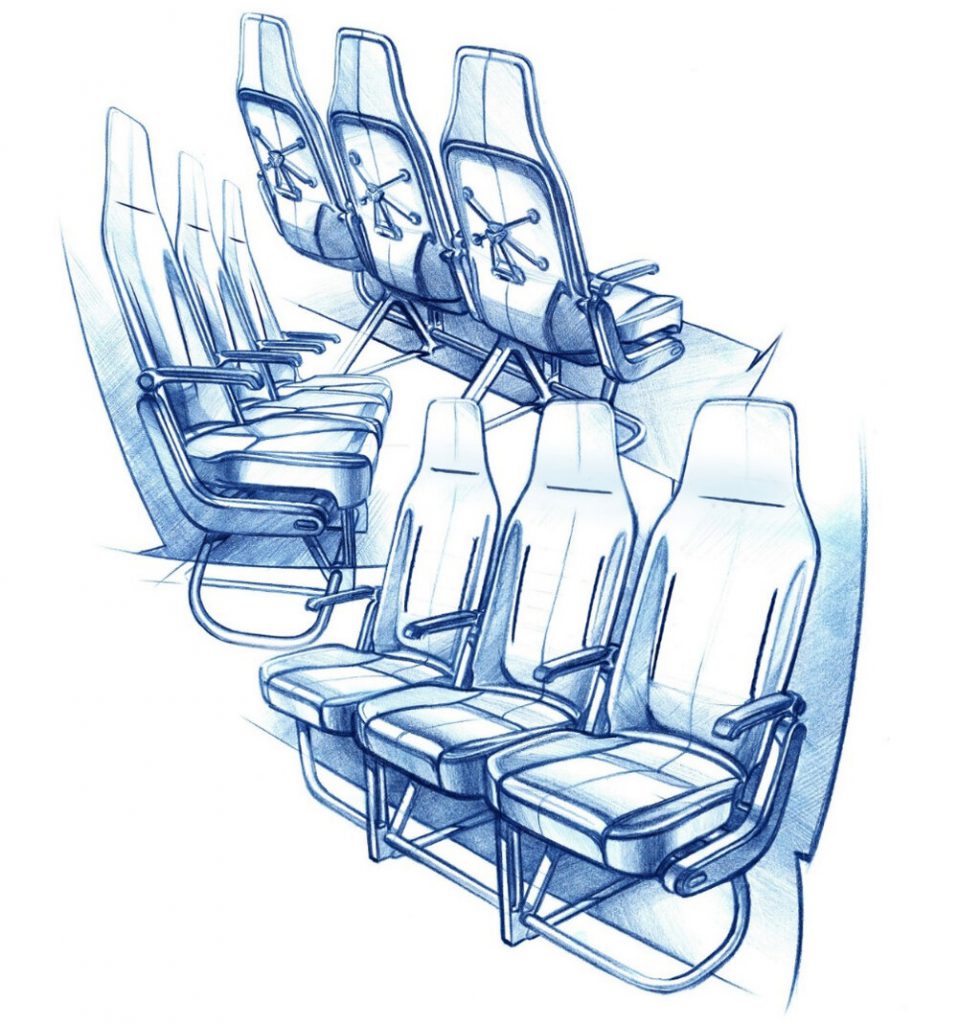
The VantageSOLO seats were designed to provide the world’s first fully flat bed for single-aisle aircraft but since Covid, their design has proven advantageous in many other ways too. The innovative reverse herringbone configuration of the VantageSOLO locates passengers away from the aisle and therefore minimises accidental contact with passengers and crew who are walking up and down the aisle.

When passengers are in the bed position for sleeping their head is away from the aisle, which reduces the likelihood of person-to-person transmission of any germs and improves their ability to get a good night’s sleep, with fewer disturbances.

We believe that the VanatgeSOLO will be popular among new airline customers for these aspects of Covid-security, along with the advantages of comfort, privacy, and the feeling of luxury.

The VantageSOLO is designed for single-aisle aircraft.

What is it like to work with one of your partner companies on the delivery of the VantageSOLO?

Collaborating under ACS, Thompson worked with AIM Altitude to seamlessly integrate the premium front-row monuments with the VantageSOLO seat for JetBlue’s Mint Suite. With unified commercial and aftermarket teams, we are able to offer enhanced support for our OEMs and airline customers. Combining our expertise with other subsidiaries within ACS, like FACC, Fesher, and Jiatai has been a truly positive process and we are looking forward to more joint programmes in the ACS family.

What are you looking forward to showcasing this year?

The VantageSOLO will definitely be making an appearance. Single-aisle aircraft are a big focus for the industry and having the option of a fully flat bed is a huge boost for airlines. We have entered the VantageSOLO for a Crystal Cabin Award, so we will be keeping our fingers crossed on that front. We also have another exciting new seating innovation that we look forward to unveiling this year. Suffice to say, it will be a real game-changer for the industry.


New Surface Coatings and Materials Making Aircraft Cabins Safer

New Surface Coatings and Materials Making Aircraft Cabins Safer

Hygiene has become not just desirable, but a key indicator that passengers are looking for when flying. Inevitably though, as traffic picks up, the intensive cleaning regimes adopted by airlines in the first line of defence against coronavirus will impact aircraft turnaround times and schedule demands.

Instead, the materials technologists and cabin specialists are now working on surfaces and products to support airline requirements for hygiene and increased efficiency, while also reducing the need for harsh cleaning regimes. In the longer term, this will lead to aircraft interiors with in-built resistance against pathogens.

Surface coatings to cut down cleaning times

While new cabins may not be in current plans for many airlines, some are already deploying surface treatments with anti-microbial technology. Surfaces such as seats, tray tables, overhead bins and lavatories across United Airlines’ entire mainline and express fleets are being treated weekly with the surface de-contaminant Zoono Microbe Shield. The spray treatment, which is part of the airline’s United CleanPlus programme, bonds to surfaces and ruptures the cell walls and membranes of microbes that come into contact with it.

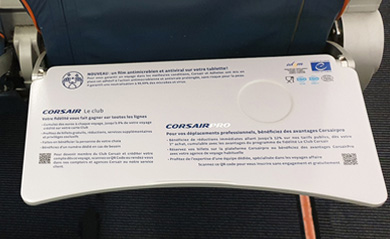
Corsair is applying a protective film to surfaces. (Pylote)

Last autumn, Corsair began progressively equipping their tray tables in the aircraft with a protective film incorporating antibacterial and antiviral properties. The film, developed by ADHETEC in partnership with Pylote, provides an immediate and stable microbial decontamination action without loss of effectiveness for four years and protects the tables from aggressive disinfectant products.

Collaboration leads to new solutions

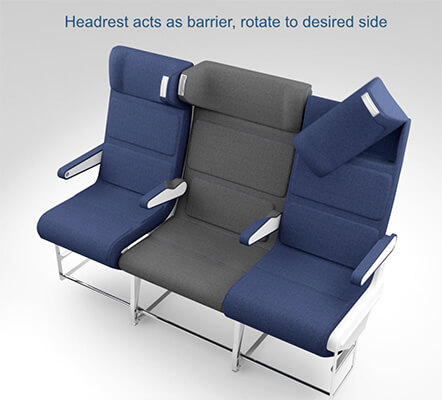
A sense of what is possible in the future can be glimpsed in some recent collaborations. Tapis Corporation, SIMONA Boltaron and Molon Labe Seating joined forces last summer to demonstrate a solution for safer travel. The starting point was Molon Labe’s S2 seat, which features a fresh air vent in the one-sided headrest that can also be rotated to form a physical barrier between passengers.

The S2 seat concept. (Molon Labe Seating)

The seat back, seat pan, armrests and headrests are covered in Promessa Ultrafabric from Tapis, which includes antimicrobial silver ion technology in the top skin. Boltaron’s 9815N FAR-rated material was then used for the thermoformed seat backs, which has an antimicrobial treatment as standard.

https://d22g5m507mgryc.cloudfront.net/assets/files/4505/promessaav.555x350.gif
Promessa Ultrafabric. (Tapis Corporation)

“Between [all of] us, we had something like greater than 90% of the seat’s surfaces covered in antimicrobial technology without compromising passenger comfort or experience,” reports Matthew Nicholls, Sales Director at Tapis. He adds that Tapis and its partner Ultrafabrics have seen the addition of Promessa AV to JetBlue Airways, Spirit Airlines and American Airlines fleets in the past 12 months.

Surfaces that self-clean

Safran Cabin has teamed up with 3M to help design cleaner aircraft cabin interiors as part of Safran’s ‘Travel Safe’ initiative. Their current focus is developing a residual antimicrobial coating that can be sprayed or wiped on to make a surface continuously antimicrobial for at least 30 days, claiming the ability to kill 99.9% of viruses and bacteria in 10 minutes.

Safran Cabin Lavatory
Safran Cabins and 3M will work together to create continuous surface coatings. (Safran Cabins)

“It is our goal to create a ‘self-disinfecting’ interior using this technology,” says Nathan Kwok, Vice President Marketing at Safran Cabin. Their planned next step will be to make antimicrobial and easy-clean properties a permanent feature of the interior surface. Kwok explains: “We are currently studying ways to integrate our polymer into the huge variety of materials, colours, and textures that exist today. The goal is that every surface is antimicrobial, without sacrificing the richness of the colour and texture palette.”

Resistance to disinfectants

Matthew Nicholls at Tapis also notes that materials and surface coatings will need to have resistance to disinfectants if they are going to last into the future, with requirements from airlines evolving to include the ability to clean surfaces with a wide variety of aviation-approved disinfectants.

As an example, American Airlines’ recent 737-800 upgrades included cabin dividers from Jamco America covered in Tapis 9-series Ultraleather, which has antimicrobial silver ion technology embedded in the surface layers. The finish is resistant to cleaning materials used in foggers and hydrostatic sprayers while still being able to be cleaned with alcohol, quaternary ammonium, bleach and hydrogen peroxide-based cleaners without damage.

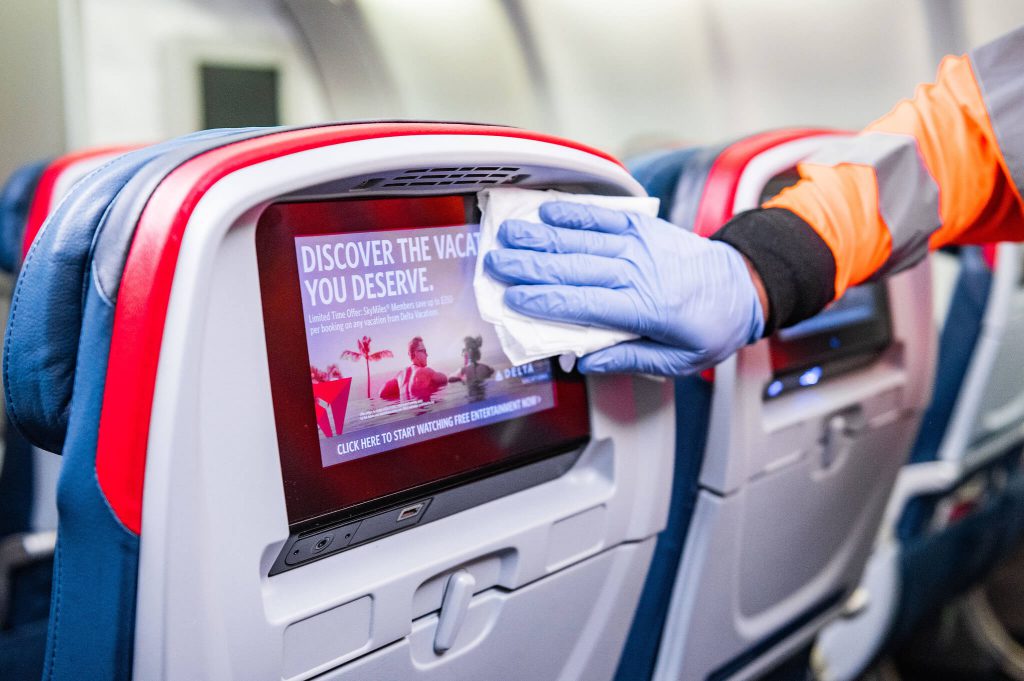
Cleaning surfaces regularly will increase turnaround times and damage materials. (Delta)

Other suppliers also highlight the robustness of anti-pathogenic products against contaminants and cleaning agents. For example, high-touch interior replacement parts, such as tray tables and lavatory seats, from Aereos Interior Solutions are certified greater than 99.8% effective against microbes, while also protecting the surface finish.

Removing chemicals from cleaning

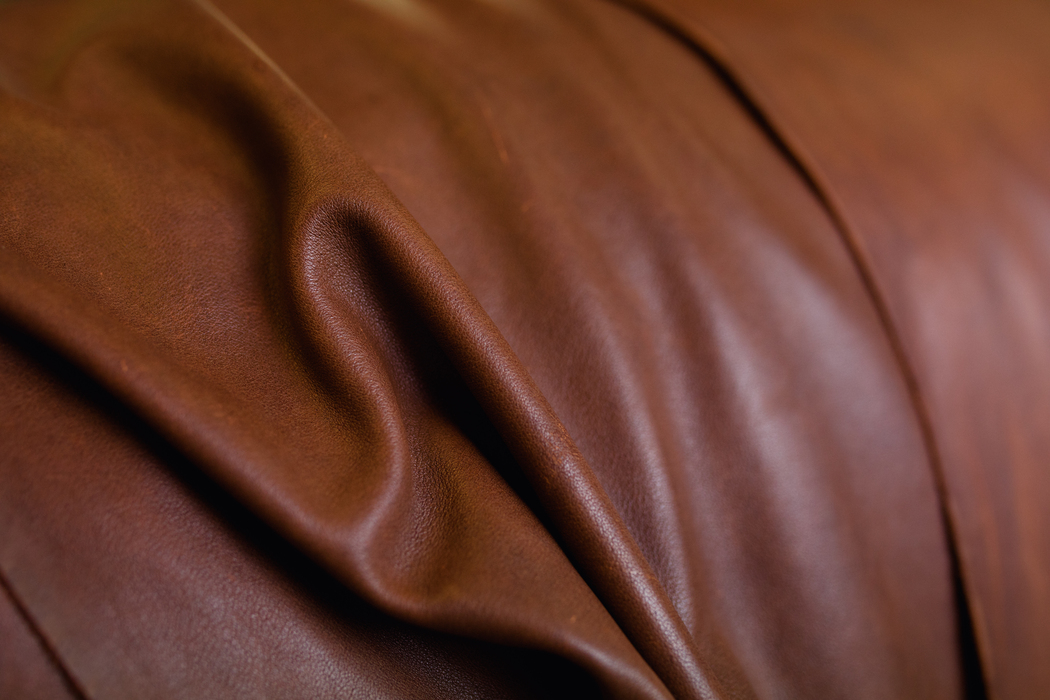
Once the cabin’s fixtures and fittings are covered with antimicrobial technology, a review of cleaning regimes will be needed. The elimination of chemicals in aircraft cabin cleaning is a key goal for Muirhead Leather. Its Active Hygiene Leather has built-in antimicrobial self-cleaning properties thanks to permanently integrating Polygiene® ViralOffTM into the leather during the production process, breaking down bacteria that cause odours as well as viruses to over 99% within two hours.

https://www.muirhead.co.uk/media/1382/slg_bow_rap_hires-66-1.jpg
Muirhead Leather has implemented antibacterial properties into its leather. (Muirhead Leather)

Myles Hobbs, Head of Sales (Aviation) EMEA and The Americas recommends maintaining its product with only pH-neutral soap and sparing use of water. “During our 7–10-year product life cycle, there is no need to use any lotion, potions, or chemicals,” he says.

Still some challenges to overcome

Incorporating antimicrobial technology into products has challenges. Nicholls says that getting silver content just right is a science in its own right. He goes on to explain that you have to have enough silver particles to provide a safe surface, but as the quantity increases, they can become hard to distribute evenly, also increasing weight and decreasing durability.

Defining a new regulatory paradigm around antimicrobial materials will also be tough, according to Kwok. “Most cleaning and disinfecting guidance documents were written around chemicals that worked while wet, and never envisioned that the surface itself was also the disinfectant. So, now we need to decide as an industry, what level of efficacy is sufficient to declare a surface self-disinfecting? This requires a lot of collaboration across different regulatory agencies because consistency will be important in building confidence.”

Nicholls concurs: “We need to make sure that we’re not compromising other key aspects of the fundamental passenger experience in our rush to solve the COVID issues.”

Hidden benefits of surface coatings need clear messaging

Communicating the hygiene and safety benefits of cleaning regimes to passengers is already part of airline strategies to reassure people that it is safe to fly. It is key when the hygiene technology is embedded in the interior and, as Kwok notes, works invisibly. “There are a variety of ways to do this, including colour and graphical indications on the surface itself, as well as messaging directly to the passengers during the safety briefing or even during the booking process,” he says.

An example of customer messaging. (Delta)

“Our first goal is safety, but also a more relaxed travel experience. We hope that when passengers see the Safran logo, they have confidence that surface does not need that extra squirt of spray cleaner they brought with them because the technology inside the surface works even better.”

Airline requirements for hygiene solutions will evolve as air travel recovery gets underway. In the short term, regular surface treatments would seem to be the natural solution. In the longer term, more innately hygienic interiors mean that there will be improved and potentially less costly cleaning regimes. Ultimately, consistent standards for antimicrobial technologies in aircraft will need to be established to continue to build confidence in air travel.

Boom Headrest provides passenger comfort and neck support

Boom Headrest provides passenger comfort and neck support

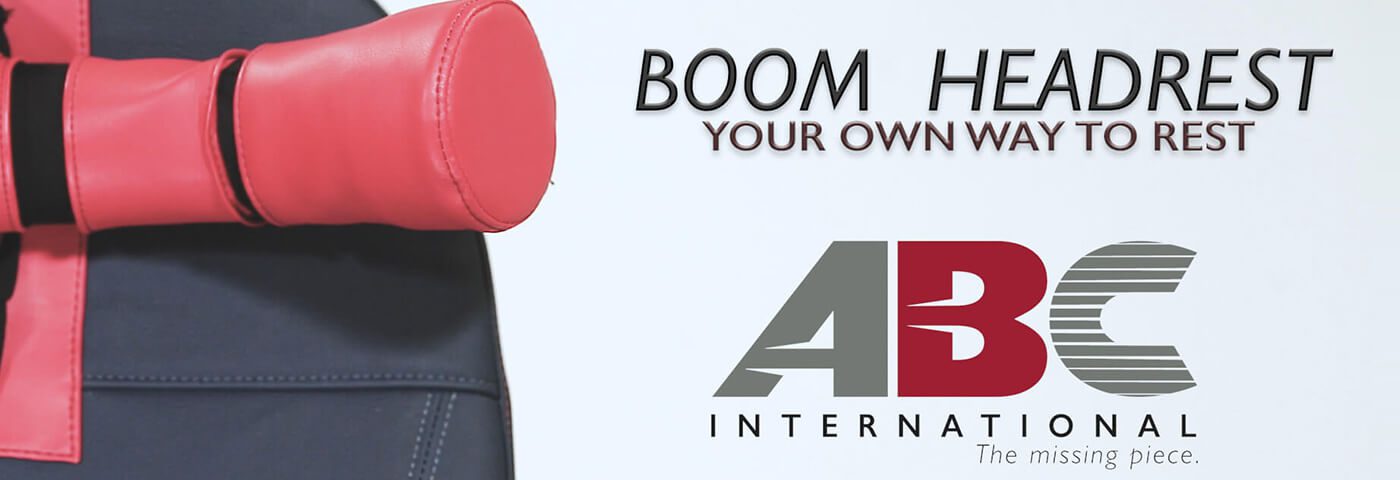
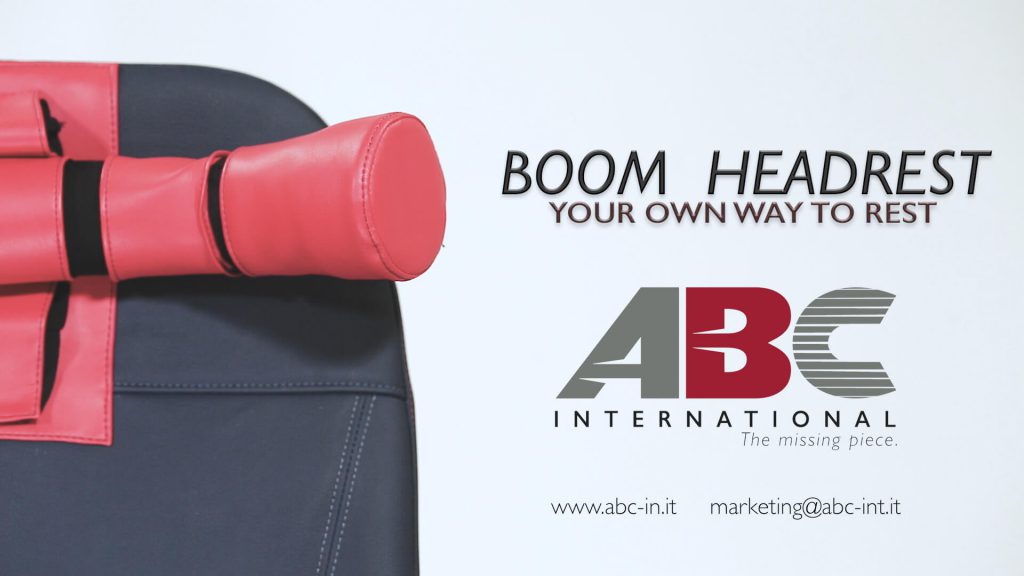
The Boom Headrest is an innovative headrest, designed to provide incomparable comfort to the passenger for a pleasant and healthier flight experience in every seating position.

The Boom Headrest provides in-seat neck support.

The Boom Headrest aims to eliminate the need for passengers to bring their own portable travel pillows on board. It does this by providing specific support to the passenger neck and, differently from the existing headrest solutions, allows the passenger’s head to relax with unlimited positions.

The main dimensions of the product allow full integration with the most common economy and business class seat systems and it can be installed through a simple process. It can also be integrated on any seat, either on retrofit or linefit conditions, and it is manufactured using aviation state-of-the-art materials and processes, its main structure is manufactured in aluminium alloy with steel and polyamide inserts to, respectively, increase strength and avoid any uncomfortable “noise” while in operation.

The foams and the covers may be customized according to the different needs of the airline. Moreover, the product can be supplied in any colour as per the current seat colour or textile configuration.

In order to encourage the passenger to use Boom Headrest with peace of mind, the product can also be equipped with hygienic disposable covers to be provided upon request.

Watch the short video below to get more of an idea about the Boom Headrest:

More about the Boom Headrest

If you’re interested in the Boom Headrest, find out more on the ABC International website or email them at marketing@abc-int.it.


Latest Products


Product Showcase listings are a paid-for opportunity for cabin interior manufacturers to share their products, services and solutions. If you’d like to showcase your product, get in touch with the AIX Sales team.

Future digital experiences onboard with Michael Raasch

Future digital experiences onboard with Michael Raasch

Recently we had the chance to interview Michael Raasch, CEO of Omnevo, a new company looking to revolutionize the onboard digital purchasing experience.

With over 20 years of experience at the intersection of travel, operations and technology, Michael’s mission is to create future digital passenger experiences and help airlines transition to e-Commerce marketplaces.

Prior to his current role as CEO at Omnevo, he has worked in various strategic and management positions within the Lufthansa Group. He held various senior positions incl. VP Sales and concepts, responsible for a global development and sales team, creating award-winning concepts for many leading airlines.

Watch the full interview below:

For more video insights, sign up to the AIX channel.

Key insights from the interview

  • “We know from history that airlines are complex organisations. We are now seeing the simplification of this, with the bundling of different functions in one area and faster decision making.”
  • “It is clear that airlines need to look for additional ancillary revenues.”
  • “We’re living in a very unpredictable world now and airlines have to adapt fast, and in real time. This is where digitization helps to streamline and optimise processes.”
  • “We see a willingness from a lot of carriers to do minimal viable products or proof of concept, rather than going out to test and work with the results because traditional data and benchmarks from the past are not valid anymore.”
  • “We have noticed much more agile behaviour from our customers. They want these solutions fast, they want to implement them fast and then they want to see the solutions.”
  • “One of the biggest learnings from the pandemic is that the market can change so quickly and you have to be flexible.”
  • “The pandemic has accelerated the need for digital solutions.”
  • “We are seeing smaller aircraft flying longer distances and a lot of airlines are thinking: how can I actually increase pre-order or pre-select, because we simply don’t have the space onboard?”
  • “Ancillary revenue programmes in the past were often outsourced to other companies and we are seeing a tendency for airlines to rethink this approach.”
  • “How to monetize ancillary revenues and digitalize the passenger journey will be a big trend.”

About attending AIX:

  • “I miss the physical trade fair because I love walking around, sitting in different airline seats, looking at different interiors and speaking to a lot of different people!”
  • “AIX is a huge pool of inspiration. It’s great to network and see people to exchange ideas.”
  • “I love this event because of the good networking, lots of inspiration and new things to see and to exchange as well. I think it’s a very important industry event.”
Discover all the On Demand insights available on the AIX Hub.

Delivering on the Inflight Ancillary Revenue Promise | Webinar

Delivering on the Inflight Ancillary Revenue Promise | Webinar

Discover how a robust wireless IFE, retail and digital services platform combines e-commerce, digital advertising assets, and technical expertise to enhance the bottom line for airlines.

A panel from organisations including Boeing, Immfly and onboard retailers share insights and learnings about how airlines can deliver meaningful incremental inflight revenue in the cabin with digital services.

Topics will include boosting revenues from new inflight streams, efficient integration of existing ancillary partners, onboard digital advertising management, analytics tracking and more.

Key Learning Objectives

Increase inflight ancillary revenues inflight, discover real cases delivering on the inflight digital ancillary revenues promise, understand capabilities of robust onboard IFE and digital services platforms.  

Speakers

A panel from Boeing Digital Direct, Immfly and inflight retailers.

Aircraft sustainability to improve with lightweight materials

Aircraft sustainability to improve with lightweight materials

Moves to reduce emissions are currently concentrated on airframe and operational innovations, plus new energy sources, while the interiors community’s focus is on materials and systems that underpin cabin function.

The transformation of the cabin will be largely incremental and almost invisible, but nonetheless vital in supporting aviation’s environmental goals. And when we look back from the future, these will all add up to a quiet revolution.

The route to carbon neutrality

Lukas Kaestner is the Co-Founder & Chief Operating Officer of the Sustainable Aviation Lab, the organisation behind the Sustainable Aero Lab accelerator programme for start-ups aiming to move aviation to a sustainable future.

Kaestner observes: “For aviation to reach carbon neutrality, there will be no single method to get us there, but instead we will have to look at a combination of many factors – and this includes interiors.” He adds: “We still see weight as one of the key components to lowering emissions, and we believe interiors can play an important role here.”
The requirement for low maintenance lightweight interiors can only increase in importance as carriers position themselves for the post-coronavirus recovery and turn to addressing environmental goals.

The Recaro SL3710 Seat. (Recaro)

Innovative changes to the seat cushion, pan and structure, lightweight materials and recycled leather covers, plus optimised components all helped Recaro Aircraft Seating deliver an 8kg seat that requires 50% less maintenance. In March 2021, the SL3710 economy seat made its North American debut on Frontier Airlines’ A320neo aircraft to support the low-cost carrier’s (LCC) quest of being ‘America’s Greenest Airline’.

The Recaro seats will also be rolled out to fellow carriers in the Indigo Partners portfolio of airlines, including Wizz Air. The European LCC aims to reduce its carbon footprint via a combination of utilising efficient Airbus aircraft and prioritising lightweight cabin products.

Sustainable composite materials

Similarly, Cecence, whose mission is to bring the benefits of lightweight sustainable composites to the industry, has collaborated with Doy Design to utilise bio-resin in a compression moulding process to develop a seat weighing just over 7kg. The team state the Ultra Slim concept can reduce the overall cabin weight of a short-haul A320 by over 500kg compared to existing lightweight seats on the market.

The Ultra Slim concept. (Doy Design)

Speaking with Samantha Bunyan, Cecence Co-Founder & Head of Industry Engagement, she explains that bio resins are manufactured from agricultural waste and provide comparative strength with more traditional phenolic resins. She adds: “Integrating recycled carbon fibre and where possible natural fibres to replace or work alongside more typical reinforcements such as virgin carbon and glass fibre can contribute a great deal to reducing the carbon footprint of the cabin interior and in the case of natural plant fibres in particular, through their ability to sequester CO2 through their growth, prior to transformation into an end product.”

Cecence is working closely with the UK’s National Composites Centre on a life cycle analysis that has been built into its sustainable seat back development programme. Bunyan says: “We have collected wide ranging data from where the materials originate, how they are transported, how waste can be eliminated and where energy savings can be made. This enables a greater awareness of which elements within the supply chain and within the manufacturing process can be adjusted to deliver an end product where the carbon footprint is significantly reduced.”

Focus on the full life cycle

Incorporating the ability to recycle, re-use and repurpose into design processes is challenging. Boom Supersonic, which is developing the next-gen Overture supersonic commercial aircraft, is planning for a decommissioning and recycling process that may not begin for 40 years. In a Boom blog post published in March 2021, Raymond Russell, Head of Sustainability and Environment, acknowledges that today an international recycling standard is not in place for many of the materials that will be used to build Overture.

“Our team is focused on selecting materials that have the highest probability for safe recycling, in addition to weighing critical aspects such as safety and performance,” he says. “Looking closely at recycling, we’re examining the likelihood of whether a market will exist for those recycled materials in several decades. If we were to recycle Overture today, the supply chain may not support the effort. But in 30 to 40 years from now, that same supply chain should be thriving.”

Kaestner agrees that sustainable aviation needs a mindset that covers all aspects of the value chain, including end-of-life. The Sustainable Aero Lab is currently focused on lowering all emissions of flights, however, it is also open to supporting end-of-life solutions. “Separately, for aircraft interiors, I see the end-of-life discussion as one of the most pressing. The current status here is not satisfying enough,” Kaestner says.

A different approach to sustainability

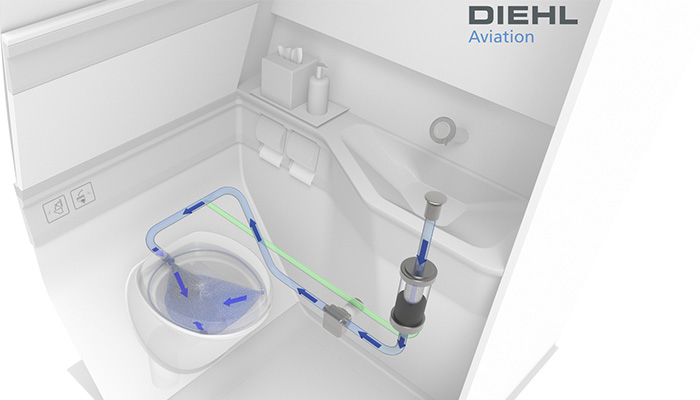
Another approach to lightweight cabins is to innovate around reducing the amount of water that has to be carried onboard. Diehl Aviation’s Grey Water Re-use concept, winning entry at the 2020-21 Crystal Cabin Awards, treats greywater from the wash hand basin for re-use in flushing the lavatory. The cabin equipment and systems OEM claims that reducing water consumption onboard offers cost savings and can make a significant contribution to reducing the environmental impact of air traffic.

The Greywater Reuse Unit will save 550 tonnes of CO2. (Diehl Aviation)

It’s not just lightweight material in traditional aircraft that could lead to more sustainable flight, but also the raft of small hybrid- and electric-powered aircraft in development. If the ambitions of the organisations involved come to fruition, some could be in service before the end of the decade.

For example, Rolls-Royce, Italian airframer Tecnam and Widerøe, Scandinavia’s largest regional airline, are aiming to introduce a small all-electric commuter plane into service in 2026. The Electric Aviation Group also expects that its 70+ seat HERA or Hybrid Electrical Regional Aircraft will be ready for delivery in 2028. EAG also views HERA as a blueprint for larger, long range aircraft concepts as propulsion and energy storage technologies develop.

New digital tools will also be key to building more sustainability into ‘start-of-life’ product development and iteration processes. The autonomous sustainable cabin project, ANKA, launched last autumn by technological research and development platform ZAL alongside Airbus is working to create simulation and measurement methods that will reduce the number of test flights usually required to assess the real potential of new technologies to increase cabin comfort. ANKA is applying this approach to simulating and testing the performance of new advanced materials to reduce noise and vibration in the aircraft cabin.

Sustainability the number one priority for airlines

More than 100 years before the Wright brothers took to the air, Sir George Cayley defined the principals of aerodynamics, and it immediately occurred to him that new technologies to make planes lighter would be a critical issue. Cayley’s desire to reduce weight is no less relevant today as the aviation industry focuses on reducing its carbon footprint and improving sustainability

Climate change demands disruptive thinking from the entire aviation industry. The challenges – and opportunities – facing the cabin interiors community may not be as eye catching as new aircraft designs and low-emission propulsion, but they are vital to effect the necessary paradigm shift of the future. To all intents and purposes, for airlines and passengers, the cabin may pretty much look the same, and may perhaps be all the better for its familiarity, but it will function smarter and better in every way possible.

Crystal Cabin Award Winners 2020/21

Crystal Cabin Award Winners 2020/21

As the biggest awards ceremony for the cabin interiors industry, the Crystal Cabin Award winners often points to what we can expect to see on planes in the future.

The awards ceremony is usually held at Aircraft Interiors Expo, and was delayed due to the pandemic. Instead, the award ceremony was held virtually on 30 March 2021, with an excited audience tuning into the livestream.

The shortlist contained 24 entries from a wide range of aviation businesses, including heavyweights such as Airbus, Safran and Diehl Aviation. The judges then managed to decide on the eight winners for the 2020/21 awards. Find them all below:

Cabin Concepts

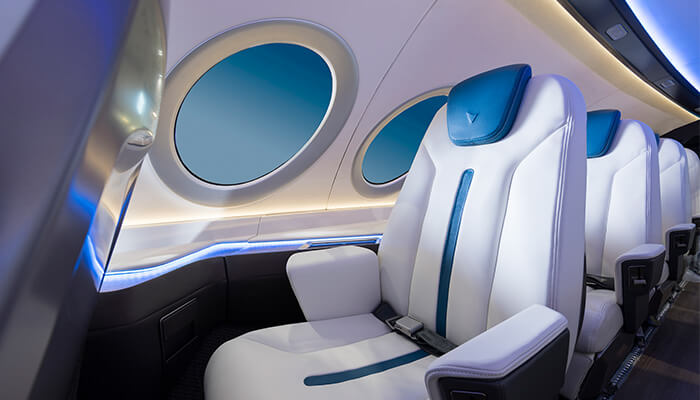
Taking home this award is ‘Alice’, the first completely electric commuter jet. Built by Israeli company Eviation Aircraft, the jet first appeared at the 2019 Paris Airshow.

Alice interior. (Eviation Aircraft)

The innovative cabin concept was designed by Almadesign and features a fishbone layout to utilise the available space.

Nominees

  • Virgin Atlantic Upper Class Loft, Virgin Atlantic, AIM Altitude, Factorydesign, Boltaron, Isovolta, Mankiewicz UK & F.H.Lambert
  • 777x Sky Architecture, The Boeing Company, Teague

Visionary Concepts

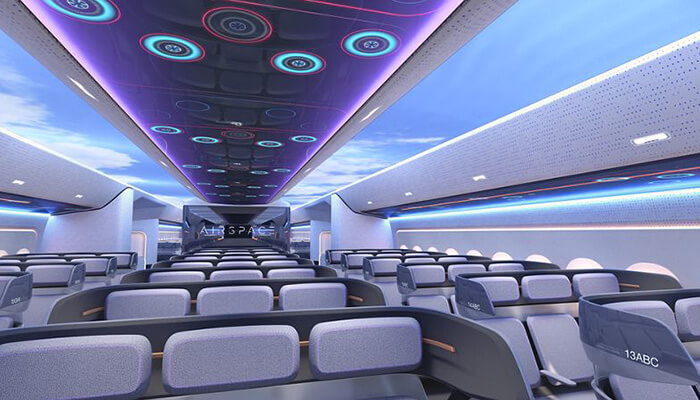
With aviation needing to innovate, this category helps to look ahead. Winning the award is AIRBUS with its Airspace Cabin Vision 2030, and extension of its “Airspace” concept.

Airbus Airspace 2030 Concept. (Airbus)

The concept allows the cabin to be digitally tailored to passenger needs with flexible seating and lounge configurations.

Nominees

  • ARCA – Galley Systems, AIM ALTITUDE
  • Galaxy: Flatbed for A321, AirGo Design

Material and Components

This category focuses on advances in the enormous variety of materials and components. The winner is a panel based on In-Mold Electronics (IME) from e2ip technologies in association with National Research Council of Canada. The surface-printed electrical circuitry saves on the complex and heavy cabin electronics.

IME control panel concept. (e2ip)

The IME control element can be seamlessly integrated and can complete a range of functions including positioning of the aircraft seat.

Nominees

  • Experience Line Bridge, Diehl Aerospace
  • Jade Reading Light, Schott

Greener Cabin, Health, Safety and Environment

This hotly contested category is awarded to Diehl Aviation with its Greywater Reuse Unit. Taking the handwash water (greywater) from the sink and reusing to flush the toilet instead of potable water.

The Diehl Aviation Reuse Unit. (Diehl Aviation)

The Reuse Unit would help to reduce the amount of potable water on a Boeing 787 Dreamliner by 250kg and a CO2 saving of 550 tonnes per year per aircraft.

Nominees

  • AudioBack, ATR
  • Zero economy meal tray, PriestmanGoode

Passenger Comfort Hardware

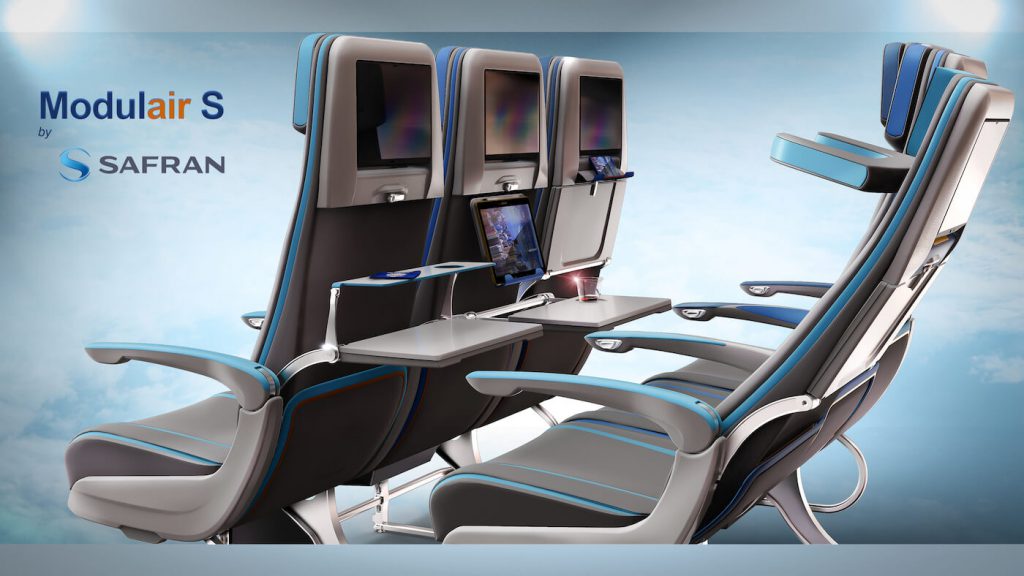
For ideas that enhance passenger comfort, this category was won by Safran Seats with its Modulair S economy seat concept.

The Modulair S. (Safran Seats)

Developed in cooperation with the French university ENCSi, the seat can be extended with various features, bringing creature comforts such as neck support to the largest section of seating.

Nominees

  • Space For All, Adient Aerospace
  • The Row 1 airport wheelchair system, Ciara Crawford

Cabin Systems

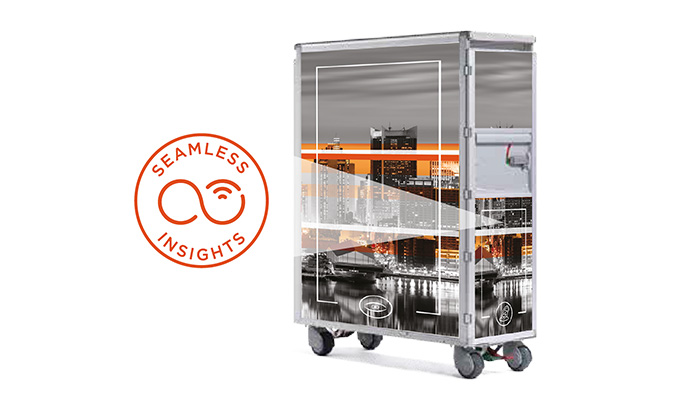
The winner is the SOPHYTM smart trolley system from Safran Cabin. This tiny module can be installed into existing catering trolleys and provides the operator with information on the entire journey of the equipment, from maintenance and cleaning needs.

The SOPHYTM smart trolley system. (Safran Cabin)

Nominees

  • Lite2fix, SFS and Jetlite
  • Next Gen Connectivity Mobile ONAIR 4G, SITAONAIR

In-Flight Entertainment and Connectivity

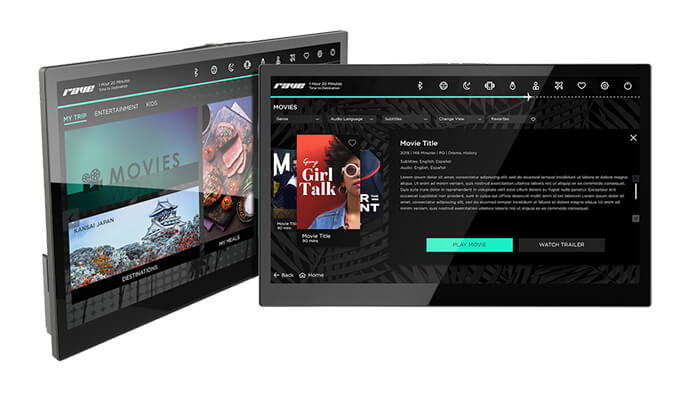
As the fastest growing sector of aviation, IFEC receives plenty of innovations. This time, the winner is SAFRAN Passenger Innovations department with RAVE Bluetooth Audio.

RAVE Bluetooth Audio. (Safran Passenger Innovations)

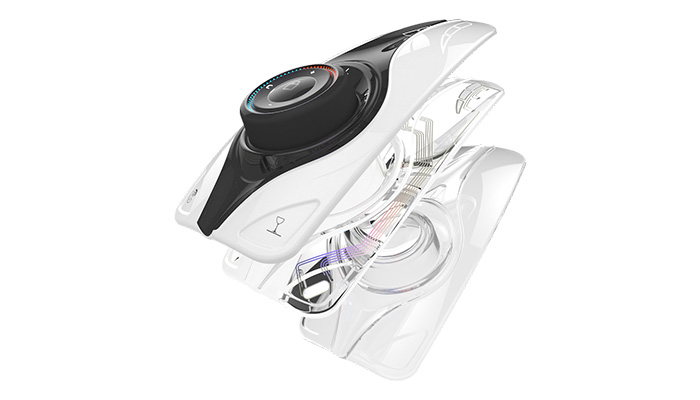
The problem of too many passengers using Bluetooth enabled headphones is solved by this solution as it controls power and antenna direction to each passenger or seat.

Nominees

  • Multi-Screen Experience, JetBlue Airways
  • Spafax IQ, Spafax

University

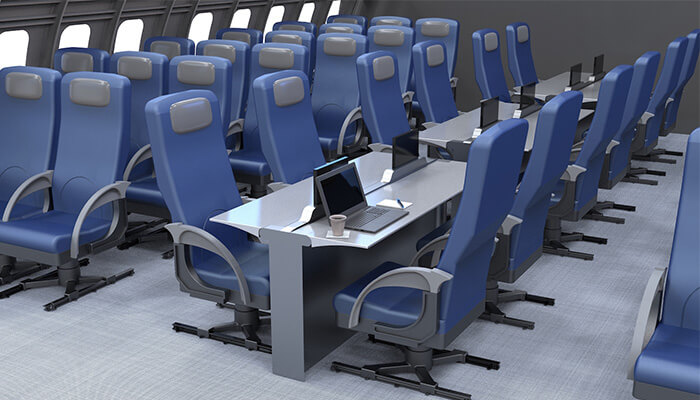
Highlighting new ideas from universities, the winner in 2020 is University of Cincinnati. Their Coffee House Cabin concept would place a long work table down the centre of the plane to allow for productive work groups.

The Coffee House Cabin Concept.

The idea was developed with The Boeing Company and The Live Well Collaborative.

Nominees

  • Isofix, The University of Applied Sciences Hamburg (HAW)
  • Collapsible beds for Flying V

More Crystal Cabin awards to be won in 2021

To recognise the impact of the COVID-19 pandemic on aviation, there will be two new categories in 2021: Clean & Safe Air Travel” and the “Judges’ Choice Award”. Find out more about them on the Crystal Cabin Awards website.

Update: The shortlist has been revealed for the two new categories. Find them on the AIX Hub here.


Business jets set to boom with new leisure and business passengers

Business jets set to boom with new leisure and business passengers

With commercial aviation still struggling to take off, one area of opportunity is in business jets. A promising rebound within business aviation (Bizav) began in late 2020, according to Global Data, with an influx of leisure and business passengers looking to reduce the risk of contracting COVID-19.

Business aviation services continue to soar

Bizav services were down by just 1% in 2020, according to WingX, a data research and consulting company that provides actionable market intelligence. In contrast, the number of regularly scheduled passenger flights fell by 45% over the same period. These figures, announced in WingX’s weekly Global Market Tracker, demonstrate the resilience of the private aviation sector.

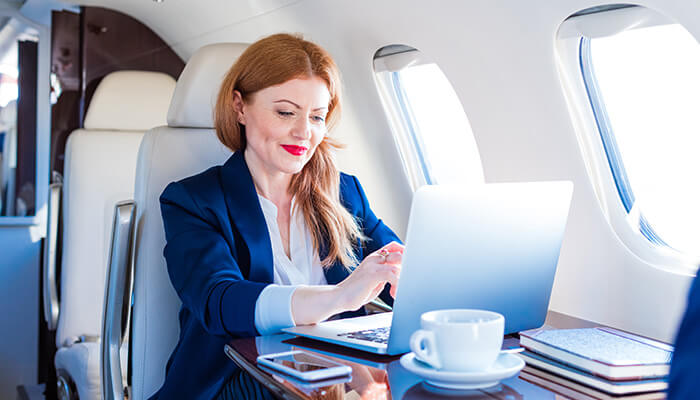
A woman types on a laptop aboard a business jet
The ability to work onboard business jets is a great advantage.

Speaking to The Guardian, Richard Koe, managing director of WingX, said Bizav offered “an on-call and convenient means of connectivity, essential as gaps appear in the scheduled networks”. He added that the UK’s private jet business had declined more than those of any other country in Europe.

Trends show a resilient industry

This outlook is mirrored in Honeywell’s 29th annual Global Business Aviation Outlook, which saw four out of five business jet operators indicate that purchase plans had not been affected by the COVID-19 pandemic, with business jet deliveries anticipated to be up 13% in 2021.

In fact, reports revealed that for some private jet companies, 2020 was more profitable than 2019. Europe’s leading private jet charter, LunaJets, reported a sharp rise in demands for business jet charters in early 2020 – an increase of 45% YOY. It was also reported to have sold 15% more flights than in 2019, while the private jet industry in Dubai saw a 21% growth compared to the previous year.

While the industry is perceived to only be accessible by those with the resources to enjoy private travel, the growth in this sector demonstrates the untapped opportunities for suppliers within the aircraft interiors market. So, how can the industry respond to this rapid growth in private travel?

Bizav refurbishments are on the rise

A new trend toward purchasing older aircraft and completely refurbishing them has also been revealed by Pascal Bachmann, EMEA senior vice president of sales for Jetcraft, in an interview with Business Jet Interiors Magazine. He outlined the interior equipment and configuration trends growing in popularity, highlighting how technology and connectivity are becoming increasingly important factor for buyers.

Passengers on private jets, just like those travelling on commercial airlines, increasingly expect to be able to stay connected to the ground below them. High-speed data, Wi-Fi and onboard communications have become an important part of the modern air travel experience. Gogo Business Aviation, a provider of in-flight broadband internet and other connectivity services, believes that customers are using inflight Wi-Fi in vastly different ways than they did a year ago. The inflight connection is now being used to host virtual meetings, work on the aircraft upon landing and flying more mid-level employees to and from company meetings.

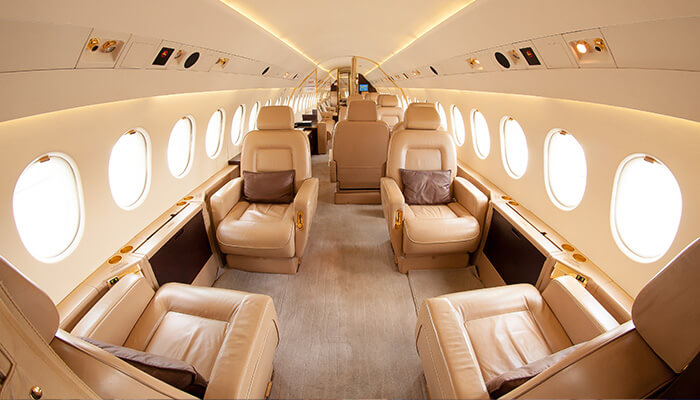
The inside of a Business Jet with six seats visible in cream colour
BizAv refurbishments are on the rise.

As a result, the overall customer satisfaction in both business and commercial aviation has become increasingly tied with Wi-Fi connections and capabilities, meaning it is no longer a luxury but a requirement for passenger satisfaction. The onboard Wi-Fi capabilities are considered one of the top three things needed by passengers for a satisfactory flight, according to Gogo.

Demonstrating the demand for connectivity and in-flight entertainment (IFE) services within the Bizav sector, FTS, based in China, announced in January 2021 that it had been tasked with providing IFE services to Minsheng Financial Leasing’s (MFL) fleet of more than 300 aircraft. As the largest aircraft lessor for business jets in Asia, MFL currently holds more than 90% of the country’s corporate aircraft market share. The agreement will see FTS collaborate on IFE systems, smart cabin management, inflight ‘Internet of Things’ and a grounds operations platform.

Creating a luxurious environment onboard

Simply providing good connectivity may be enough for some passengers, but the Bizav sector is renowned for creating luxurious cabin environments that help provide a unique flying experience.

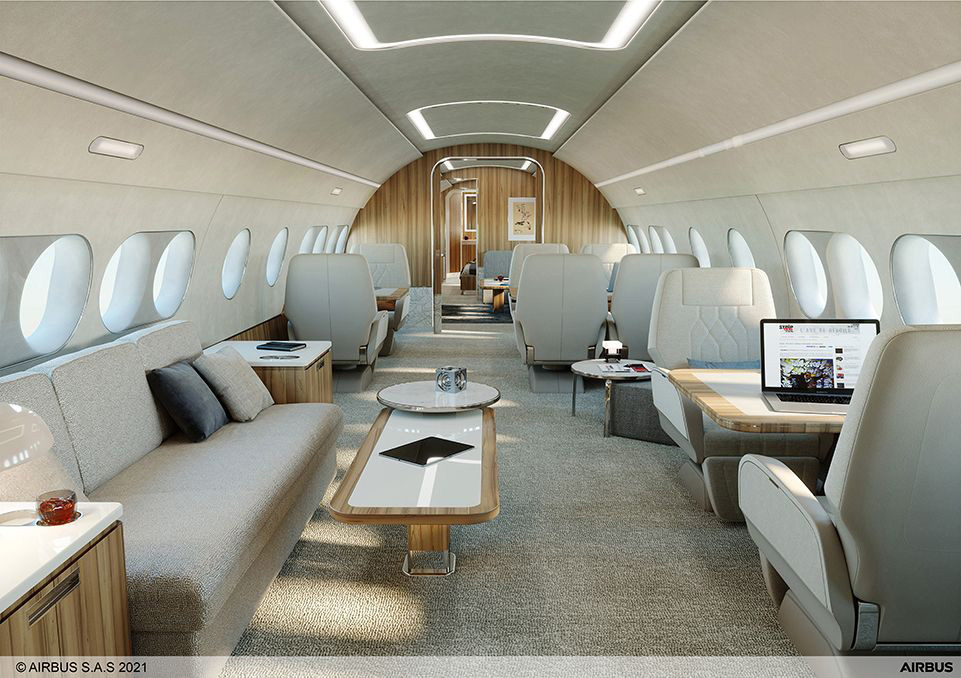
Inside the Airbus TwoTwenty business jet.
The ACJ TwoTwenty has a variety of layouts. (Airbus)

Concept images of the Airbus A220 corporate jet, dubbed the ACJ TwoTwenty business jet, demonstrate the importance of coupling state-of-the-art technologies and high concept design. The aircraft boasts 73m² of floor space, divided into six individual living areas that offer more than 100+ cabin configurations. Dedicated areas for relaxing, sleeping and dining reflect a growing trend for flexible zoning that help to replicate the home environment.

In 2018, Bombardier’s Global 7000 business jet won the Red Dot Design Award, recognised for its ‘rich and satisfying experience, from its class-leading and largest kitchen in the industry and forward-thinking lighting to the first-ever dedicated stateroom with a fixed bed’.

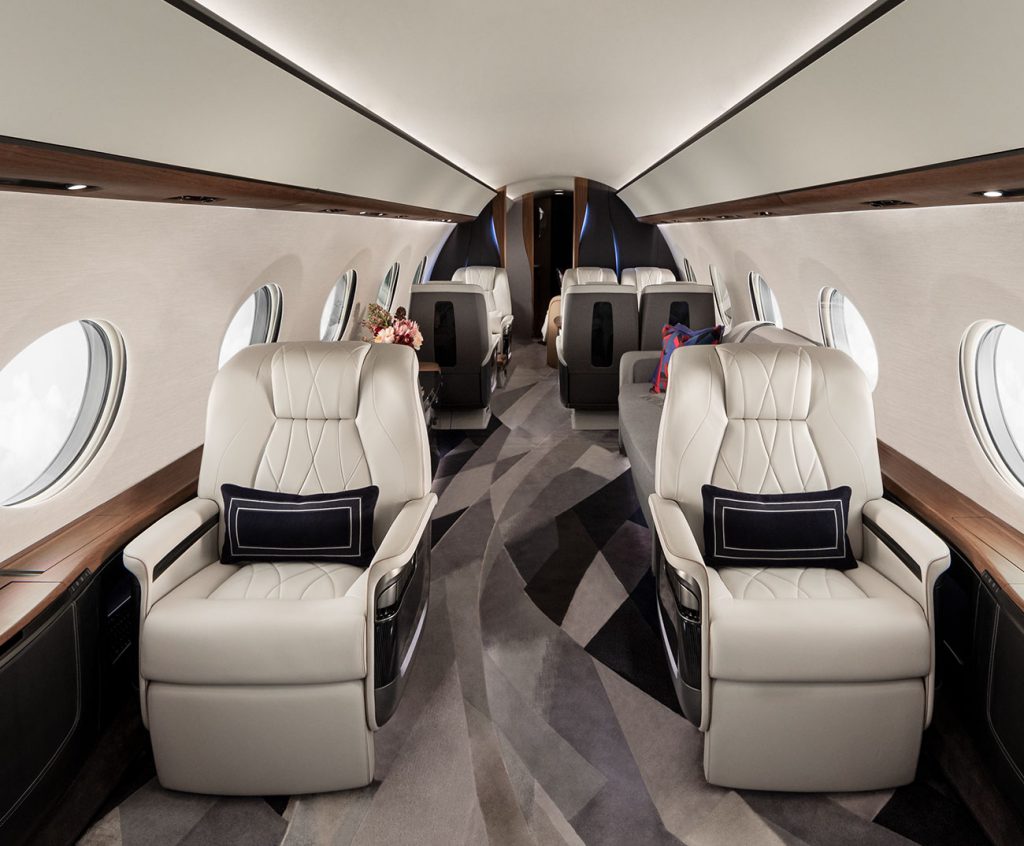
The use of zoning onboard can also be seen in the interior mock-up of the Gulfstream G700, expected to enter service in 2022. It features up to five zones, including an entertainment area, galley seating, dining area, forward seating, and stateroom featuring an en-suite bathroom. While the Dassault Falcon 6X is the first ultra-widebody business jet and provides three distinct living zones, including a club suite, dining and conference zone, and lounge area.

The Gulfstream G700 will allow a custom layout. (Gulfstream)

While the use of zoning helps to mirror the home environment and provides private spaces for passengers to relax and conduct work onboard, creating a spacious cabin space is one of the most sought-after commodities in private jet design. With seating, baggage holds and tables all essential elements of the cabin, clever choices on the use of lighting, materials and colour schemes are helping to bring a greater sensation of space.

Embraer’s enhanced Bossa Nova interior design uses subtle choices to maximise cabin space, such as moving the control panels to the centre ceiling of the aircraft and the use of clear materials and colour-tone combinations.

The next step in Business Jets

The Bizav sector continues to be remarkably buoyant, and with continued growth anticipated for the future, the sector is ripe for fresh business opportunities. Over the last year, the commercial aviation sector has undergone significant setbacks, and while the Bizav sector has not escaped these challenges, what is clear is that an unexpected pace of transformation has resulted in a raft of new customers and capital.


Digitalise the cabin with new solutions from AERQ

Digitalise the cabin with new solutions from AERQ

There is no doubt that the COVID-19 pandemic has changed things as we know them, and this also applies to the aviation industry. Adjusting to a new normal can be seen as a new beginning for our industry too, where rethinking is required to ensure a sustainable future of our business – a new approach where challenges turn into opportunities.

To make this possible, it is essential to look at digital transformation and how it can unlock new potential for airlines. Digital technologies and solutions should be at hand so that airlines are in full control and able to respond to what is needed and expected of them. Hygiene is the most current topic where digitalisation of the cabin environment will be the key to re-establish the passengers’ trust in flying.

A collaborative approach

With the joined skillsets of LG Electronics and Lufthansa Technik, AERQ is here to enable airlines to go through this digital transformation successfully. With its open IT-platform, AERQ will not only bring the latest trends from consumer electronics onboard the aircraft but is offering a new approach on how the industry can work together.

By working with various partners, complementing capabilities will be used to bring innovative digital solutions and technology into the cabin. Airlines should be in control over their own digital cabin experience. This means having the freedom and flexibility to choose solutions that best fit their needs. AERQ is here to offer exactly that, making airlines the playmaker of their cabin.

Finding new solutions

Looking at cabins today, physical touch is required in almost any interaction. This applies especially to in-seat systems as we know them. By innovating the interactions with digital solutions, physical touch can be significantly reduced or even eliminated.

One way of doing so is the full integration of the passenger’s own device. With the Personal Entertainment Device as an active touchpoint in the cabin, it can not only provide control and command over the in-seat system, it can also be a tool for interactions between passenger and cabin crew.

Digitalising the interactions in the cabin will create the benefit of reduced physical contact and will contribute to social distancing.

A sound of the future

Other elements of the passenger entertainment experience onboard should also be revisited. A solution could be to create an audio bubble around the passenger without any interference of other passengers or the cabin. This approach is based on advanced speaker- and audio technology in the headrest.

Such an audio solution will enhance the passenger entertainment experience and make it even more comfortable. Additionally, it will reduce physical touch and eliminate potential hygiene hazards such as headphones provided by the airlines.

Integrating AI into cabins

Exploiting AI technology will enable touchless displays, where the passenger can control solely with hand gestures. Not alone will technology such as AI help airlines to stand out, it will also bring long-term benefits.

With AI-based algorithms, passenger experience solutions onboard will become smart and intelligent. This makes it possible to personalise the passenger experience while enabling new business opportunities for the airlines.

In the long run, digitalisation will empower airlines with the efficiency levers and new business models they need for a sustainable future of their business.

The future is now

Airlines need to now strengthen the trust among their passengers and 2020 has only made the demand for digitalisation in the cabin even clearer.


This article was provided by AERQ. To discover more about their products and solutions, visit the AERQ website.

The evolution of aviation after COVID-19 | WTM Virtual

The evolution of aviation after COVID-19 | WTM Virtual

The coronavirus pandemic is having an unprecedented impact on travel and aviation activity but a demand recovery remains likely once countries are able to ease international travel restrictions.

Prior peak levels of activity will be regained, but activity and the growth trend will be different. In this session, the panel will explore the lasting impacts on passenger behaviour as well as airline activity.

The webinar covers expected changes in traveller preferences and behaviour, as well as lasting industry impacts plus potential policy effects such as new taxes or lingering travel regulations.

Key quotes:

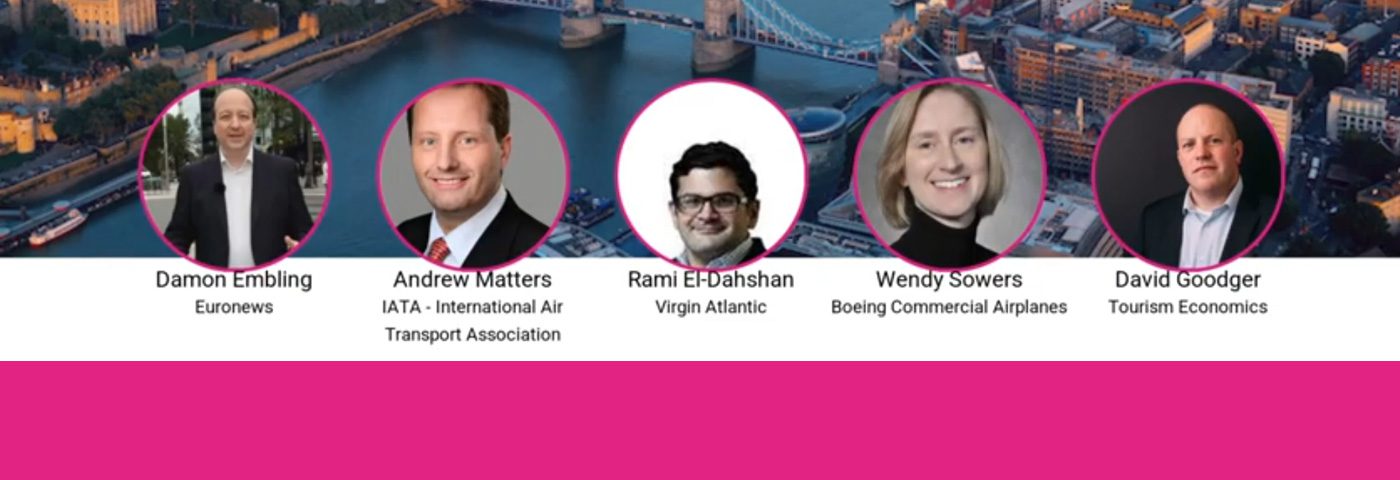
“We will see a lot more fluidity and quick changes to meet demand within the aviation industry” – Rami El-Dahshan, Head of UK & Europe Sales, Virgin Atlantic

“We’re focusing on sustainable aviation fuel” – Wendy Sowers, Director Market Forecasting and Analysis, Boeing Commercial Airplanes

“We expect confidence will take time to rebuild, but there is still a need for people to travel and a desire for holidays” – David Goodger, Managing Director EMEA, Tourism Economics

“The real value of the air transport industry is the way it helps to facilitate trade and investment, and the transfer of technology” – Andrew Matters, Deputy Chief Economist, IATA – International Air Transport Association

This webinar originally took place during the Virtual World Travel Market in December 2020.  Find out more about it on the WTM website.

Discover high-quality aircraft seating from Toyota Boshoku

Discover high-quality aircraft seating from Toyota Boshoku

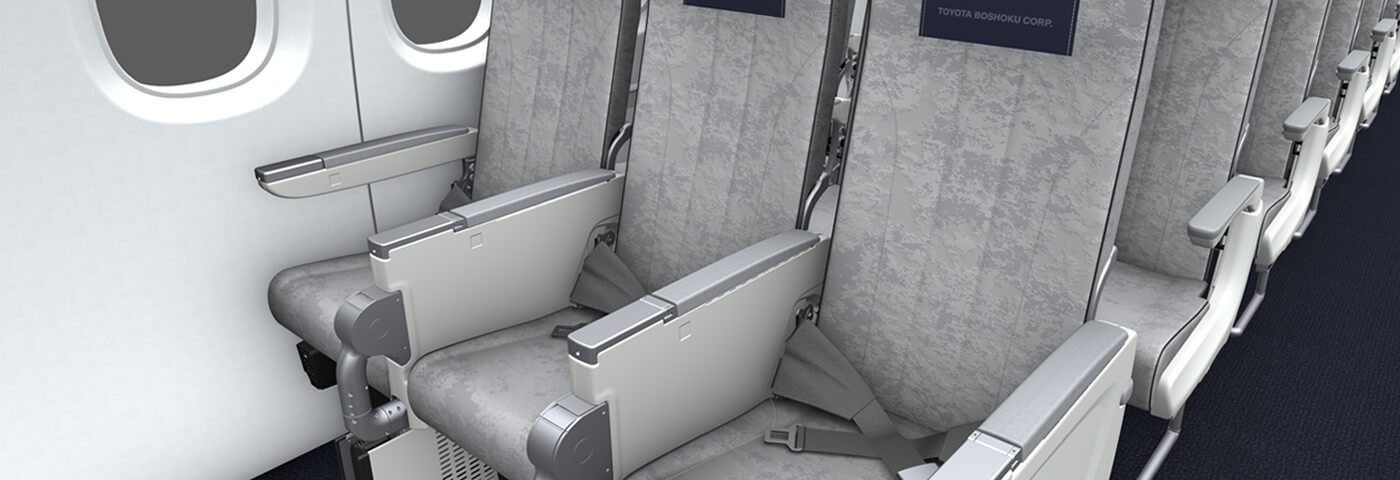
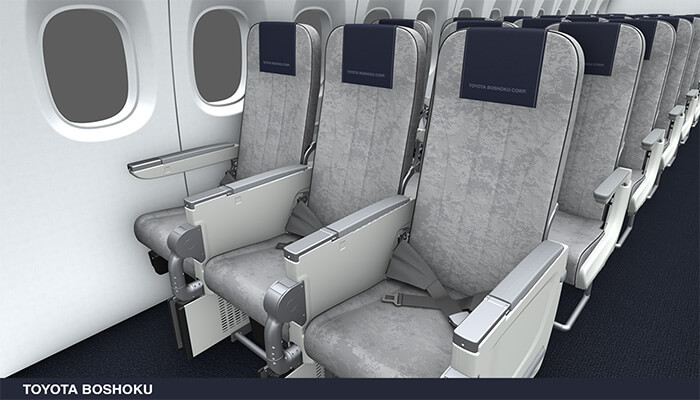
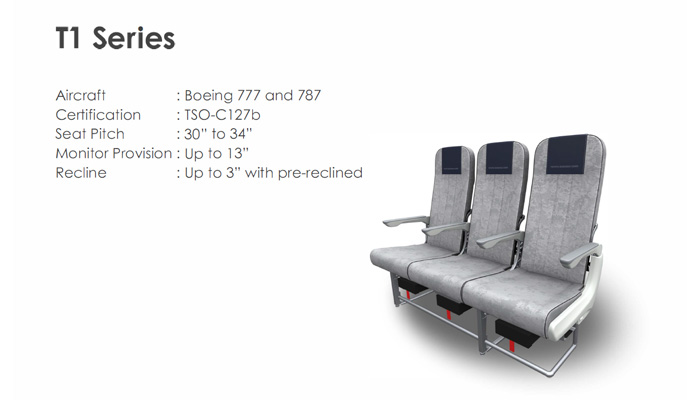
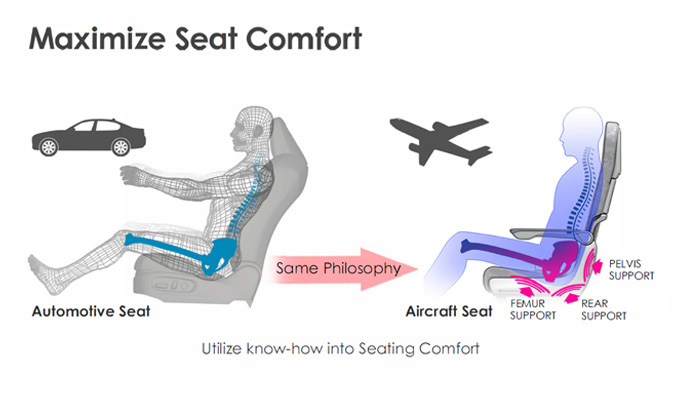
There are three main key factors to offer a valued product to customers and society. They are comfort, reliability and usability, which the T1 Series from Toyota Boshoku deliver to create a high-quality time and space in aircraft seating.

The T1 Series from Toyota Boshoku

For Comfort

We have been investigating how to make passengers feel comfortable. We provide full support for hips and pelvis by a unique seat frame profile, this also contributes to disperse body pressure form seating position. As a result, our seat can make passengers have a comfortable time even for a long flight.

For Reliability

We marked a remarkable quality performance of the maintenance for seats delivered to our first customer. This achievement was highly evaluated and we received a letter of appreciation for reducing the customer’s maintenance cost.

Toyota Boshoku transfers its automotive knowledge to aircraft seating.

For Usability

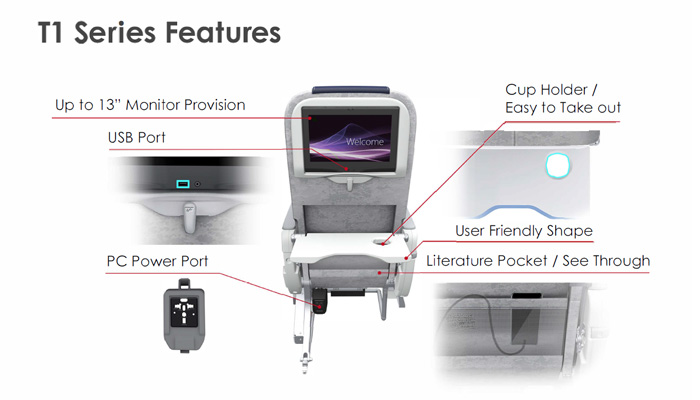
The positions and shapes of features such as Meal Table, Armrest and Monitor are set to be comfortable for all passengers considered various physiques.  Additionally, some of the design knowledge from automotive seating is incorporated into our design, for instance, the Table Latch and Cup Holder.

The T1 Series has plenty of premium features.

These three main key factors offer a valued product to customers and society, and this design philosophy expresses TB Aircraft Seating.

Discover more about the T1 Series on the Toyota Boshoku website or contact them through email: info-ac@toyota-boshoku.com.


Latest products


Product Showcase listings are a paid-for opportunity for cabin interior manufacturers to share their products. If you’d like to showcase your product, get in touch with the AIX Sales team.

How the pandemic has redesigned the future of passenger experience

How the pandemic has redesigned the future of passenger experience

Aviation professionals know all too well the impact of the global pandemic. Travel restrictions, a decline in demand for air travel and new quarantine conditions have forced many airlines to ground fleets and significantly scale back operations, with the hardest-hit being forced to shut down entirely.

While this isn’t the first time the aviation industry has been profoundly impacted by global events, the scale and duration of the pandemic, which created months of volatile conditions, has led to an unprecedented crisis unlike any seen in the industry’s modern history.

An Delta cabin crew member hands out snacks onboard a flight
Each airline has introduced their own ways of tackling the pandemic (Delta)

A balancing act of safety and profitability

Airlines now face a need to reassure and redesign the passenger experience to rebuild confidence and get passengers – and planes – back into the air. This requires a greater understanding of how customer expectations have changed, as well as the operational and financial implications of these shifts.

Here, the importance of finding innovative solutions to the arising challenges of the ‘new normal’ – such as increased scrutiny of hygiene and cleaning processes – cannot be overlooked. In fact, in a tumultuous time with such economic uncertainty, airlines must take every opportunity to protect their fleet, operations and bottom line.

So, how are airlines preparing for recovery and how will this redesign the passenger experience of the future?

Sanitisation and the future of cabin safety

As the industry looks ahead to the recovery phase and begins to focus on returning to the skies, passenger confidence will be driven by heightened cleaning and hygiene practices.

To combat the spread of the virus and reassure passengers, airlines like Delta, Southwest and United have been quick to implement new cleaning standards. This includes the use of electrostatic disinfectants which apply a uniform coating of sanitiser or disinfectant on sprayed objects, including hard-to-reach areas. This efficient method of sanitisation is proven to minimise cleaning times by up to 40 per cent and combats several infectious diseases, including coronaviruses. Additionally, surfaces are safe to touch almost immediately after applying the solution – within two minutes of dwell time – reducing the time between cleaning the cabin and passengers boarding, reports SimpleFlying.

A worker wipes the seat back screen onboard an airplane seat
Delta has clearly publicised its cleaning efforts. (Delta)

“Providing a clean and healthy flying experience goes beyond meeting customer expectations, it’s part of our commitment to safety,” said Delta airport customer service and cargo SVP, Eric Phillips. “Our customers can fly with confidence knowing that, on every Delta flight, the cabin has been sanitized top to bottom, interior surfaces and common areas have been thoroughly cleaned and Delta team members have confirmed the aircraft meets our cleanliness standards before boarding ever begins.”

American Airlines has also upgraded its commitment to safety by adding a new electrostatic spraying solution that is said to be the ‘first-ever long-lasting product to help fight the spread of the coronavirus’. Elsewhere, JetBlue announced a pilot program with Honeywell to test an ultraviolet (UV) light system that sweeps the cabin in about 10 minutes without the use of chemical disinfectants.

Swiss regional carrier, Helvetic Airways is another that recently began trailing an enhanced cabin cleaning service. The proof of concept, developed by Uveya, a Switzerland-based technology company, and dnata, one of the world’s largest air services providers, uses UV-C rays to disinfect the interior of the aircraft, ensuring the safety and wellbeing of passengers and crew.

Communication is key

Advances in cleaning processes and HEPA air filters are undoubtedly keeping cabins safe for passengers and crew on board. However, communicating these efforts will be critical in paving the way for a quick recovery once operations fully return. At the start of the pandemic, many airlines were quick to promote their health and safety protocols, providing passengers with an exclusive look at the steps taken to safeguard the cabin before they step onboard.

Among those to profile their enhanced cleaning efforts, Alaska Airlines demonstrated its ‘Next-Level Care’ in a promotional video that outlines more than 100 new actions implemented to give passengers peace of mind when they fly. Virgin Atlantic also shared an exclusive look behind the scenes of its efforts to clean its aircraft.

Alaka Air has used humour to advertise its safety procedures.

Speaking about how COVID-19 has impacted the cleaning process, Anthony Bryant, Manager of Virgin Atlantic Cabin Appearance and Cleaning, said: “We already had a really robust and thorough cleaning process in place, which was a good starting point. As the pandemic took hold, we were able to adapt quickly and ensure our procedures were strengthened. Our service providers worked with us to deliver an uncompromising cleaning regime that ensures everyone can travel safe in the knowledge that their aircraft has been cleaned, disinfected and sanitised.”

Recognisable partnerships

While behind-the-scenes videos demonstrate the enhanced steps taken by airlines, increased partnership with recognisable consumer brands is helping to further elevate awareness. United launched United CleanPlus℠, in partnership with manufacturer and marketer of consumer and professional products Clorox to redefine its cleaning and disinfection procedures. In the UK, British Airways announced a partnership with hygiene brand Dettol as part of the airline’s “ongoing commitment to help keep its customers and colleagues safe.”

As flights resume, passengers may not see the cleaning teams in action while waiting at the gate, but as these efforts demonstrate, airlines are seeking solutions that enhance cabin safety and in turn, are taking the steps to drive awareness through proactive communications to inform and reassure.

Accelerating a touchless transformation

Onboard, an accelerated touchless transformation is changing how passengers interact with cabin facilities. Before the pandemic, the aviation sector was already in the midst of a digital transformation, and with a heightened focus on touchless access to onboard services, airlines and suppliers to the industry are responding to the pressure to accelerate these initiatives.

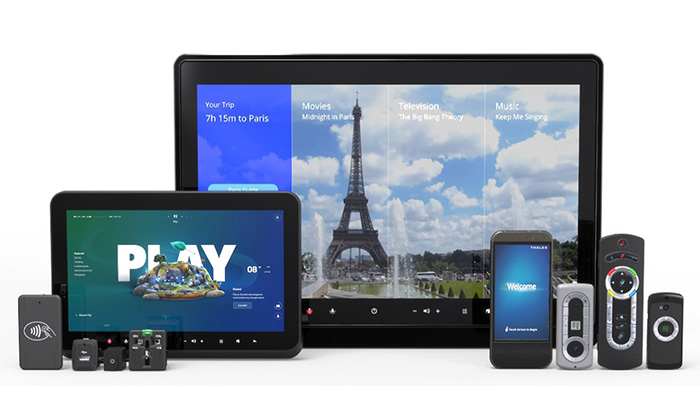
Suppliers have been quick to announce new product launches that meet the challenges of the ‘new normal’ and help airlines create seamless, touchless experiences onboard. Among them, a new ‘Ready to Fly’ range from Thales InFlyt Experience provides airlines with an easy upgrade path to enable passengers to safely control the in-seat IFE system with their phone or tablet, profiled by Runway Girl. While the ‘Welcome Onboard Collection’ from Panasonic Avionics Corporation uses smarter “less touch” technology. This includes an Onboard Reader to digitise print publications and a Companion App to integrate passengers’ personal devices into the IFE experience.

Thales has plenty of touchless solutions for IFE. (Thales)

In September 2020, Troy Brunk, President of Collins Aerospace, commented that “anything onboard an aircraft with a touchpoint is under careful review to find out how we can either reduce the need for touch entirely or, where touchless is impossible, how we can make that particular area as hygienic as possible through the use of anti-microbial materials, disinfectants or other cleaning agents.”

In February 2021, Qatar Airways announced that its passengers would soon be able to access its onboard IFE catalogue through their own devices. While Safran Cabin and Safran Passenger Solutions are reviewing lavatories and common touchpoints in the galley. In onboard lavatories, touchless faucets and flush buttons are among the items being developed and provided by the company. In addition to improving the cleanliness of commonly used areas onboard, the sensing system is said to reduce water consumption, creating a win-win for airlines and the environment.

A more agile, passenger-centric future

While there is continued uncertainty on a timeline for returned travel, and pressure on worldwide Governments support to protect the aviation industry, what is clear is that the future of the passenger experience will be driven by a greater need for transparency and social responsibility. By helping passengers understand the steps taken to keep them safe, and facilitate new ways to access popular onboard services, confidence in resuming travel will return. The good news for airlines is that suppliers across the sector are mobilising to make this a possibility and fast.  


The future of cabin interior design

The future of cabin interior design

It’s clear that one of the main trends for 2021 will be needing to reassure passengers of cleanliness and hygiene onboard.

Before COVID-19, cabin innovation took inspiration from domestic environments, hotels and cars to create familiarity in the interior space.

However, since early 2020 aggressive cleaning and evidenced hygiene has been essential to continue flying, exacting a toll on cabin interiors never intended to withstand these treatments.

As consumers now have heightened expectations of cleanliness and hygiene, new ideas are needed to design the cabin interiors of the future.

Designing for clean

Put simply, in future it will have to be easier for airlines to sanitise cabins while maintaining finishes and ensuring fast aircraft turn-around. Passengers will want the reassurance that their environment is safe and they can easily identify that it is hygienic. Clean will be the catalysing imperative for upcoming design reviews which means some new approaches to aircraft interiors will ultimately be required.

Admittedly, with fewer people flying, revenues at all-time lows and airlines cash flows taking a beating, this is a hard ask right now. As Anthony Harcup, Senior Director at TEAGUE, puts it: “Opinion is very divided on what the market needs because we haven’t settled on a period of normal that is long enough to have identified real commercial trends…I think we will see a much bigger response to cleanliness and sanitation…when revenues start to return and airlines have money, data and passenger opinion.”

A unibody aircraft seat from JPA Design
The unibody Project AIRTEK is easier to clean due to its design. (JPA Design)

Nonetheless, designers and interiors OEMs are already innovating seats and cabin monuments with clean in mind. For example, an open storage structure – big enough for a trolley bag – features underneath the Project AIRTEK lightweight business class seat concept. The consortium behind AIRTEK, JPA Design, Williams Advanced Engineering and SWS Certification Services, says this space is easy to clean and improves cabin airflow.

Another response to COVID-19 concerns is OPERA, a business seat for single-aisle aircraft launched in autumn 2020. Designed by STELIA Aerospace to protect passengers’ space and limit their exposure to other travellers and crew, it features a fully-integrated door and direct aisle access in a reverse herringbone layout with users facing the windows. Passenger contact with the seat in high-touch areas is minimised as it is operated via a smartphone or Bluetooth audio jack.

The OPERA seat features a division between passengers. (STELIA Aerospace)

Emmanuel Regnier, STELIA’s Vice President of Sales and Marketing for Cabin Interiors, notes: “Globally, we can observe that the COVID-19 outbreak has reinforced the market trends of the last years – increased privacy, independence and distancing…and motivated new ones, such as touchless features and easy-to-clean surfaces. Post-COVID, these will not only be considered as comfort and tech features but as must-haves, required to assure passengers of their safety onboard.”

Making clean easy

Demand for products that are easier to maintain cleanliness and reassure passengers that surfaces are sanitary is also predicted by Jamco America. Their Venture reverse herringbone business class seat, which debuted in 2019, eliminates potential dirt traps to minimise operational costs and in 2021 it unveiled a Venture Pristine solution incorporating surface finishes that inhibit the growth of pathogens.

The Jamco Venture seat. (Jamco)

“Airlines are balancing the need for items like doors and compartments, which are convenient for passengers, against the need to ensure the seat can be effectively cleaned,” says Jeremy Hunter, Senior Sales & Marketing Manager. “We have noticed that airlines are including cleanliness as a desired ‘feature’ similar to past product features for their passengers.”

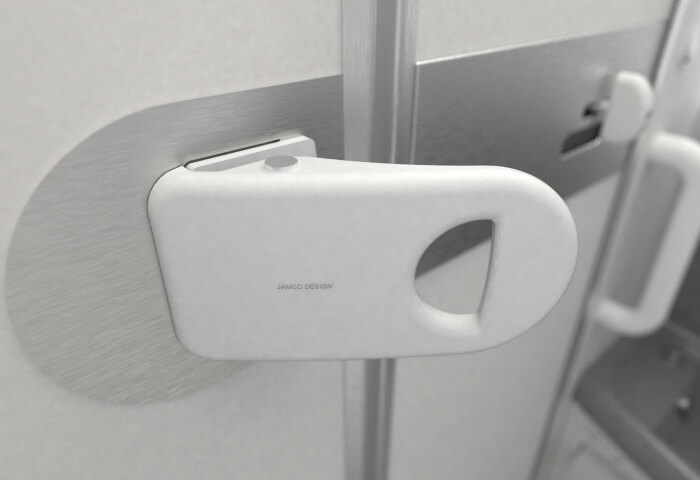
Pristine comes under Project Blue Sky, Jamco’s initiative to alleviate travellers’ anxiety about cabin cleanliness. In the lavatory, this has included developing a hands-free lavatory door handle and lock, as well as investigating a foot pedal mechanism to lift toilet seats and lids hands-free.

A new design language

However, designing for clean will require more than just new interior hardware. It will necessitate reconsidering the visual design language and reviewing the cabin as a part of the greater travel journey ecosystem. Harcup observes that as people have changed their behaviour to risk assess their environments like never before, so passengers will be looking for visual cues that things have changed in the cabin.

It will be even more complex to implement mechanisms to control human congestion, such as the scramble to retrieve belongings and deplane. “I think the only way to solve those issues would be to have a second look at the entire end-to-end journey so that processes are prioritised over scheduling, which is a really tough call to make,” says Harcup.

A three-year process

Knowing it will take at least three years to develop and certify future cabin products, PriestmanGoode is already pushing ahead with reimagining business and economy travel in terms of personal space, hygiene and a touch-free journey.

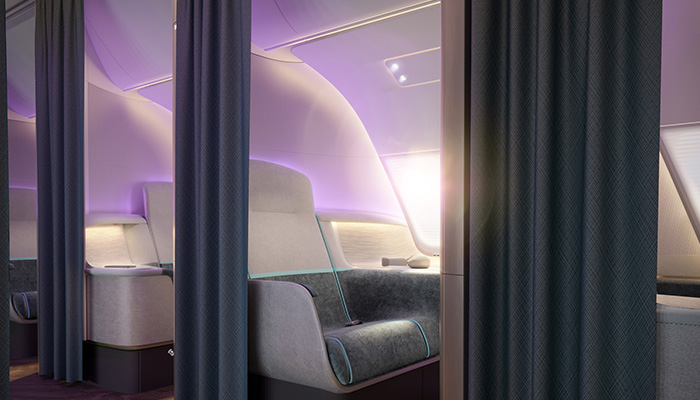
The premium cabin in its Pure Skies concept features ‘rooms’ enclosed by full-height curtains, elimination of all but essential seat breaks and use of photochromic and thermochromic inks on surface materials to react to UVC light and heat cleaning and send a message of reassurance of cleanliness to passengers as they board. The economy cabin is zoned with clear dividing screens every other row for greater separation and staggered seating to enhance the sense of personal space. Radically, the seat-back tray is replaced by a clip-on meal tray direct from the trolley.

The Pure Skies concept includes floor-to-ceiling curtains to create ‘rooms’ for passengers. (PriestmanGoode)

PriestmanGoode Founding Director, Nigel Goode, acknowledges that the industry may need to design things it has not thought about yet, including new passenger behaviours, which may mean, for example, shielding people more when they are in the aisle rather than the seat.

While the clean design imperative will not be instant, Goode expects it to start appearing in briefs and PriestmanGoode is already working with material and dress cover manufacturers to try to implement some elements of Pure Skies. He notes: “I think we should be doing our utmost to try and alleviate some of this problem for next time.”

Design changes now will protect from future problems

We accept aviation as a vital linchpin in our world, opening up economies and supporting societal advancement. However, picking up where we left off in 2019 is no longer an option. Change, including new approaches to the process of rolling out cabin interiors, must be embraced.

The interiors sector also needs to be part of a bigger conversation about how the cabin fits within a new end-to-end travel journey environment. Coronavirus can be seen as a comparative warning shot across our bows. Aviation will get back on its feet quicker once it accepts the need to solve these problems, not just for this pandemic, but also the inevitable health crises of the future.

How narrow-body aircraft will drive the recovery – Interview with Jaime Moreno, Mormedi

How narrow-body aircraft will drive the recovery – Interview with Jaime Moreno, Mormedi

The latest trends and reports are showing that narrow-body aircraft are set to lead the recovery for both short- and long-haul flights. However, this will lead to some design problems that airlines, seat manufacturers and OEMs will need to tackle with new innovations and designs.

To get an idea of how airlines can overcome these problems in 2021 and beyond, we sat down (virtually) with Jaime Moreno, founder and CEO, Mormedi, a strategic design and innovation consultancy.

Mormedi worked on a redesign of business class for Iberia. (Mormedi)

What will need to change for the airline industry to recover?

The COVID-19 pandemic has put global airlines under significant financial strain. Facing slow demand and low fares, airlines are seeking a return to profitable operations by utilising newer, smaller, and more fuel-efficient narrow-body aircraft.

There is little doubt that airlines will be shifting to narrow-body aircraft. Just as we have seen airlines putting an end to their leases for aircraft like the A380 and Boeing 747. The longest commercial single-aisle flight to date was in an A321neoLR and clocked in at 8h 32m. A passenger-less A321LR test flight has proven that even an 11h flight is possible.

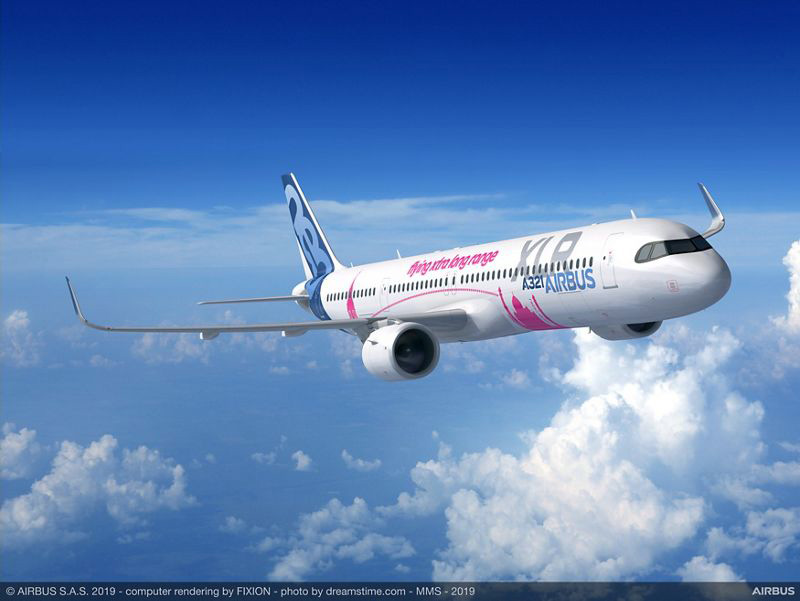
The A321XLR is projected to offer a range of 8,700 km. (Airbus)

What changes to the narrow body cabin should passengers expect, and demand?

There will need to be a major rethink of narrow-body interiors and service to make them really work for long haul flights.

I believe that long-haul narrow-body flights will need to become a more premium version of what the majority of passengers are currently used to, taking the best of both worlds of narrow and widebody aircraft.

Premium economy set to boom

The first trend will see more airlines increasing the number of premium economy seats, and possibly moving to fully “premium” flights where the only seat options will be business and premium economy. This will offer all passengers more spacious seats and will offer airlines higher revenue as it will allow them to increase prices.

I believe there will be a higher willingness to pay for an overall more comfortable flying experience as we head towards a recovery in the industry in the next 5-10 years. We have already heard airlines come out and say that premium economy is the most profitable part of the plane, so I can imagine that airlines will want to continue to increase their premium economy offering.

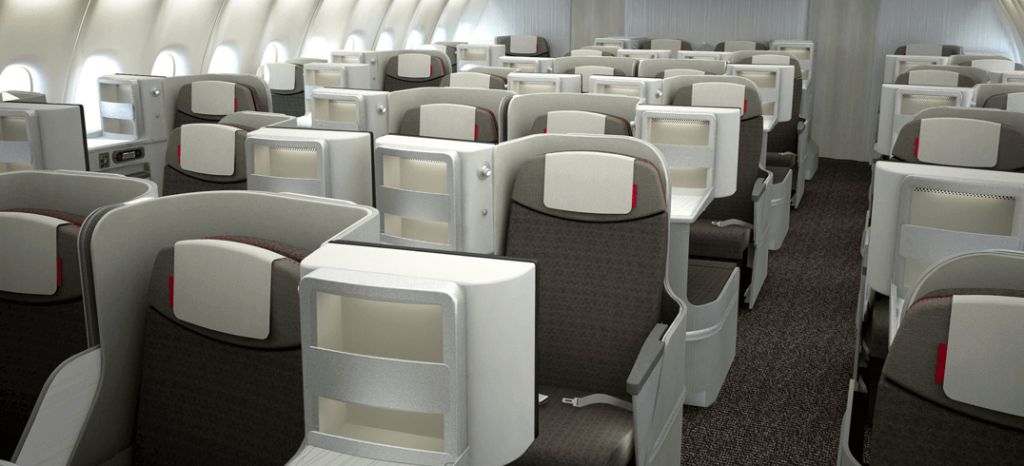
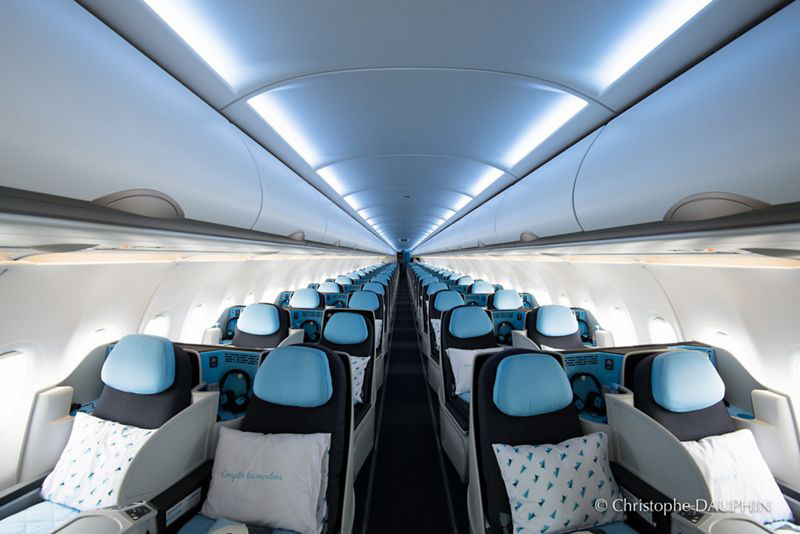
Business class layouts such as this could become the norm for a whole plane. (Airbus)

Think about this: in the next 8 years all baby boomers will have reached retirement age (65), and they hold the majority of wealth (57% of all wealth in the USA). So, from a leisure travel perspective, we can imagine these people taking a few trips a year and they will happily pay a premium versus the old economy experience in order to have more space and better service.

What could an improved service look like?

I would start thinking about the ways in which operators can appeal to an improved service even before you board the aircraft. We can imagine that a premium experience will require that boarding will naturally be done by airbridge and that you will not be forced to go down onto the tarmac. In addition, the reduced boarding time for a narrow body with fewer than 150 seats compared to the 800+ seats of an A380 is an added bonus.

How about the seats themselves?

I believe that there will be an increase in premium economy seats. Nowadays, the standard seat pitch is 30 to 32 inches in economy class for most carriers, but we should see this increase towards 36 to 40 inches for the majority of seats. Every seat would be window or aisle, with no middle row to be stuck in.

And the rest of the cabin?

The rest of the cabin would have to be rethought for long haul narrow body flights. Lavatories will naturally need to be bigger. Moreover, think about how on a wide-body long haul flight you have the middle galley area where people like to go and stretch their legs; you don’t have this space on a narrow-body aircraft. Galleys are bigger on wide-bodies, to enable the preparation of a more premium meal-offering, so we need to rethink the galley space for an improved service within new constraints.

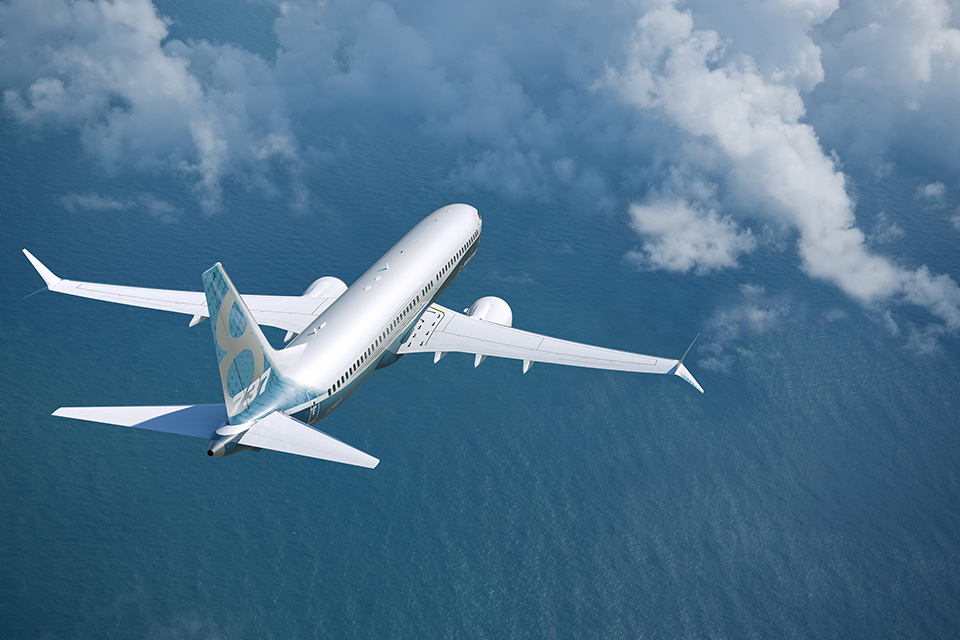
The 737 MAX will look to compete for the narrow-body long haul market. (Boeing)

How would this affect the onboard service and passenger experience?

Single aisle aircraft will have fewer staff to provide the inflight service, so we could imagine a new service model. One that combines ordering and bringing pre-ordered food into the aircraft, or a combination of served and self-service meals onboard, to give people the opportunity to get up and stretch their legs during the flight, as well as perhaps giving airlines more upsell opportunities.

There needs to be a strategic plan in place due to the limited amount of space, to avoid bottleneck issues with lots of people walking around the cabin, but you do want to allow people to feel free and comfortable onboard.

There are a lot of development opportunities to master in this area, both in understanding the evolving needs of the passenger, as well as being creative about designing new services and interiors. I, for one, look forward to the challenge.


Jaime Moreno Profile

Jaime was born and raised in Madrid and studied Industrial Design at the Art Center College of Design in Switzerland. In 1998, Jaime founded Mormedi in Madrid. Mormedi is a strategic design and innovation consultancy that helps companies make customer experience a key source of competitive advantage through service design, physical design, business innovation, and digital experiences. The company expanded its presence to Japan in 2007, London in 2018, and Mexico in 2020.

He is also one of the best-known designers in Spain, having won multiple international awards, as well as the highest design honour in Spain, the National Design Award in 2015.

Find out more about Mormedi on their website.

Cabin Catch Up: ISOVOLTA

Cabin Catch Up: ISOVOLTA

Our Cabin Catch Up interview series is where you will find insights from people within the cabin interiors industry.

This week we are joined by ISOVOLTA AG. For the last 30 years they have specialised in the production of materials for the interior of aircraft passenger cabins and cargo compartments. Find out how they responded to the challenges of 2020, and how they are now moving forward in 2021:


What became the top priority for your business once COVID-19 started to spread?

First of all the safety of our employees with the right measurements on our production line as well as offering home-office where possible. And then, of course, we had to secure our own supply chain and at the same time, we were working closely with our customers to work out what needs to be done individually. Most important though, we are more than glad that we have made it safely through the past months so far.

How many years have you exhibited at AIX?

ISOVOLTA has been exhibiting since the very first show in 2000. The first few AIXs we did share our stand with our Swiss friends LANTAL Textiles and with ACA from Germany. Since 2007, we have our own stand, for which we get a lot of compliments every year again and again. Being in Hamburg for AIX is a must for us, and we cannot wait to be back again.

How have you grown at the show since first exhibiting?

Indeed, we have been growing. As mentioned earlier since 2007 we exhibit on our own stand, and it had to be adopted every other year to scope with the huge number of guests and visitors we have. Also, our team coming for the show had been growing from a hand full to 25-30 people.

How have your objectives changed?

It has always been our goal to meet our customer, friends, and partners during these 3 days and to show our latest design and décor inspirations. This has never changed and will most likely never change.

What are your most memorable moments at AIX?

There are many. But most memorable to me personally are the moments when on day 3 the team leaves for flying home, and you can see tired but happy faces because the past 3 days where successful.

What has kept you coming back to AIX throughout the years?

Right from the beginning, this show was THE event for our industry. And as a well-known supplier to the industry who is simply appreciated to be there by so many of our customer, we would have never dared to miss out on one single AIX!

What are you most looking forward to at the next AIX?

To finally be able again to meet in person! Virtual meetings are an alternative but will never replace personal meetings. It will be an important sign to the industry and the world, the day the exhibition halls open for the AIX.

What will you be showcasing at the next AIX?

We will continue to show our decorative products and inspire with our designs. I do not want to tell too much, but I am confident that our ‘AIRDEC plus’, which is our decorative light panel will be an eyecatcher again!


Find out more

Discover more about ISOVOLTA and the services they provide on the AIX Exhibitor Directory.

Cabin Catch Up: Sabeti Wain Aerospace

Cabin Catch Up: Sabeti Wain Aerospace

Our Cabin Catch Up interview series is where you will find insights from people within the cabin interiors industry.

This week we are joined by Sabeti Wain Aerospace. As a world leader in aircraft seat dress cover design and manufacturing, they have worked with some of the largest airlines in the world, while still remaining a family-owned business. Find out how they responded to the challenges of 2020, and how they are now moving forward in 2021:


What became the top priority for your business once COVID-19 started to spread?

We were committed to help out the country and our customers, for the UK we switched production into making thousands of PPE kits for the NHS.

Sabeti Wain used their expertise to create PPE for the NHS in 2020. (Sabeti Wain)

For our customers we came up with a number of solutions for cabin safety.

How did your business adapt to the challenges of 2020?

We have kept all our staff throughout and have continued our work in a safe environment, of course, many programmes have been postponed, but thankfully we have had enough to keep us going.

What positives have come out of COVID-19 for your business?

We were impressed by how our staff pulled together, we offered them full pay to stay at home, (prior to the furlough scheme), not a single person took us up on our offer and all decided they would prefer to come to work or work from home, we are proud of our highly skilled team.

How many years have you exhibited at AIX?

We were the second company to book a stand at AIX in Cannes, around 21 or 22 years ago, it was an unknown but we knew the industry desperately needed an exhibition, and we were confident it will be a success

How have you grown at the show since first exhibiting?

We started with a tiny stand, I think around 15 square meters, which was prefabricated, we were a very small company then, at the very first show, we showed a new innovative product which was taken up by Emirates Airline, and now almost all airlines in the world use our system.

If it was not for the show we would not have been able to bring our innovation so easily to the industry.

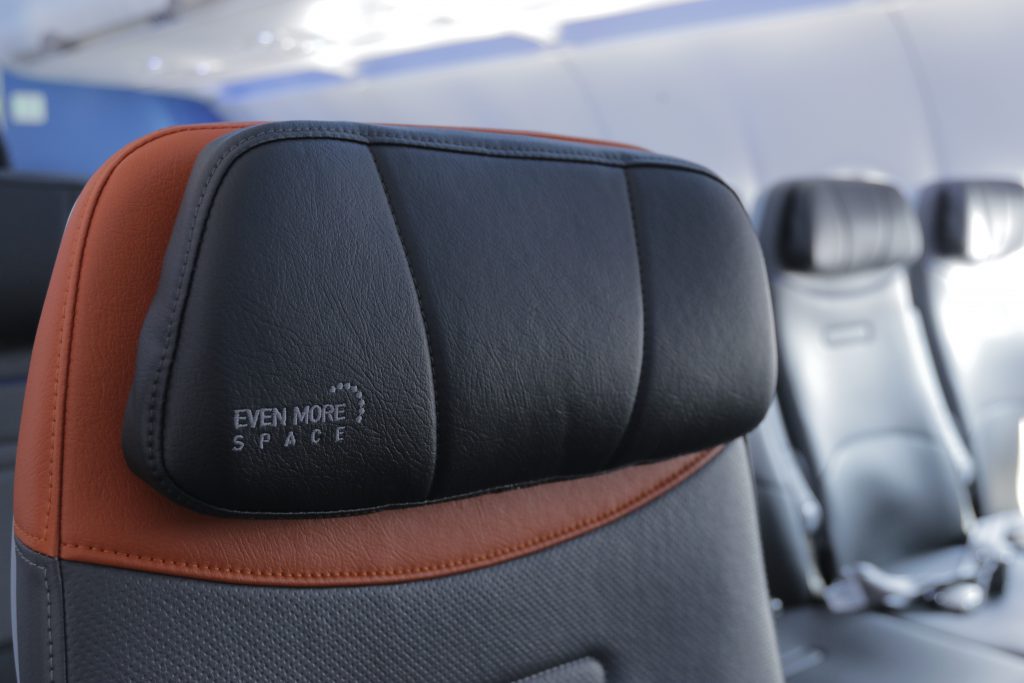
JetBlue A321neo headrests that Sabeti Wain helped to produce. (TheDesignAir)

How have your objectives changed?

We have come out of obscurity through AIX, this was a major objective for us.

What are your most memorable moments at AIX?

At the very first show in Cannes, a gentleman approached us as we were setting up the day before the show opened up, and asked lots of questions he was in jeans and a T-shirt, he told us he will be back the next day with his team, and wanted us to work together, we had no idea who he was at the time, it turned out he was Monsieur Marchelle, the owner of Sicma aircraft Seating in France!

What has kept you coming back to AIX?

The networking, seeing old and new friends, the number of airlines visiting, being able to display our products to hundreds of airlines from across the globe.

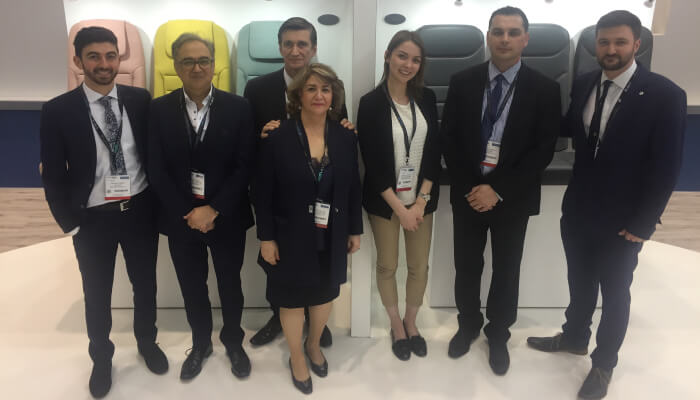
Seven people standing in a line
The Sabeti Wain Aerospace team at Aircraft Interiors Expo. (Sabeti Wain)

What are you most looking forward to at the next AIX event?

Meeting and catching up with colleagues from the different corners of the planet. We are a family business and are now seeing the next generation joining us at the helm, it will be great for the new generation to meet up and learn about our customers and industry colleagues at the exhibition.

What will you be showcasing at the next AIX?

We are already working on an amazing display of new designs and products, particularly designing cushion foam shapes and dress cover in combination to create more space and comfort.


Find out more

Sabeti Wain Aerospace will be taking part in the inaugural AIX Virtual in September 2021. Discover their products and services by registering to attend.

The key trends airlines will follow in 2021

The key trends airlines will follow in 2021

Not so long ago the main preoccupation of passenger experience thinkers at airlines was how to get travellers in seats and to keep everyone happy.

That was the old reality, but if any message has emerged from recent trend-spotting reports from organisations such as Euromonitor, Springwise and Trendwatching, consumer awareness and expectations have significantly shifted. Let’s have a closer look at those new expectations.

The brand will be key for airlines

Specifically, customers are predicted to be much more brand conscious regarding those organisations that make positive contributions to the sustainability of our planet and our societies. The need for clean, driven by the pandemic, is here to stay. And the adoption of digital technologies that bridge the physical distance between us will continue to accelerate.

Trends that were just over the horizon not so long ago, are now established fact. Digging into the detail reveals both the need to change quickly and areas of opportunity for the coming year.

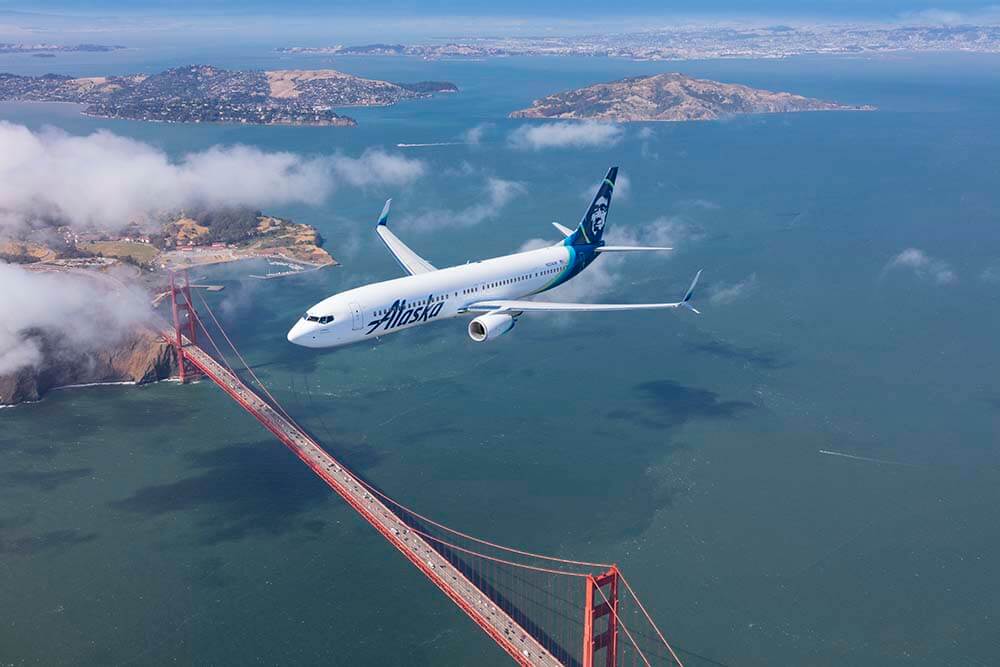
An Alaska Airlines aircraft flies over the Golden Gate suspension bridge in San Francisco
Alaska Airlines has announced its commitment to using sustainable fuel. (Alaska Airlines)

The recovery is seen as the chance for a green reset. This is underscored by Euromonitor International’s Top 10 Global Consumer Trends 2021, which advocates a shift from a volume- to a value-driven economy.  “Brands that rebuild a greener and more equitable world could gain not only a competitive advantage but also the necessary social licence, or trust of society, to operate,” it predicts.

Furthermore, this shift is echoed in 5 Forces of Disruption, the 2021 forecast from Re_Set Advisory and Springwise, which highlights that seven in ten consumers intend to make permanent behavioural changes to improve their response to the climate emergency. Quick fixes will not cut it, instead, they must look to make meaningful changes, such as de-carbonisation and elimination of plastics throughout the supply chain. “Sustainability must permeate every aspect of doing business,” state the innovation specialists.

A continued focus on sustainability for airlines

The business opportunities identified in Trendwatching’s 21 Trends for 2021 include transcycling, where brands make use of their waste to enter new markets. Another is carbon labelling, whereby revealing the true (hidden) cost of products will win customer trust and competitive advantage. It cites a pop-up shop launched by Swedish food brand Felix, where items are priced according to their carbon footprint, saying this approach is spreading to restaurants and fashion brands as well.

We all know that ultimately travellers will expect their consumer experiences on the ground to be reflected in the air, so how should the interiors community respond? For some time now SEKISUI KYDEX’s focus has been to ensure that the lifecycle of its products is sustainable and materials are 100% recyclable. As part of the full lifecycle approach, it partners with the Aircraft Interior Recycling Association (AIRA) to implement recycling streams for materials that reach the end of their use.

A British Airways plane flying with forest and farm land below it.
British Airways is aiming to be net zero by 2050. (British Airways)

Talking with Design Director Karyn McAlphin, circular solutions will be the way forward. She goes on to say: “Socially conscious brands will pursue lighter weight alternatives, redesign structures we’ve relied upon for years, and determine how to take things apart at their end of life to upcycle for different purposes. Ultimately, brands viewed as contributing to a cleaner, healthier, more equitable world will gain a competitive advantage.”

Safe to fly initiatives needed across the industry

Reassuring passengers that it is safe to fly by implementing rigorous cleaning regimes, plus investigating antimicrobial surfaces and materials have been key to the interiors sector’s pandemic strategy. What Euromonitor calls safety obsessed (but might be more easily understood as hygiene obsessed) is not just desirable, but as good as mandatory, with customers expecting efficiency and cleanliness.

A worker wipes the seat back screen onboard an airplane seat
Delta has been one of many airlines to show off their increased cleaning protocols. (Delta)

Definitions of wellness will expand to include mental wellbeing, with Trendwatching spotlighting products and services that seamlessly boost mental and emotional health as an innovation opportunity.  Think about it for a moment. Even before the pandemic, stress has been hardwired into the journey for many passengers. How then should onboard environments and services be developed to alleviate that stress and make travellers better informed and so feel more in control?

A touchless future onboard aircraft

Another aspect of the past year’s need for clean has been going touchless. In our everyday lives, card and mobile payments have dominated the shopping experience when we are able to go outside. While air travel initiatives have ranged from Emirates and the International Air Transport Association (IATA) trialling a digital COVID-19 pass to Jamco and ANA teaming up on a hands-free lavatory door.

Jamco and ANA are developing hands-free door handles as part of ‘Project Blue Sky’. (Jamco)

Going touchless complements, the third force for disruption – high-speed adoption of digital technologies. Re_Set and Springwise observe that a comprehensive digital strategy is now essential. In response to the pandemic, businesses have been experimenting with everything from virtual showrooms to social shopping that blends e-tailing with social media. They predict that other content-first strategies are likely to emerge such as using digitisation to drive greater personalisation.

The realms of the physical and virtual are no longer distinct separate entities. Consumers now rely on digital tools for daily activities, with Euromonitor noting that consumers, especially younger people, are indifferent as to whether these activities are physical or virtual; they no longer distinguish between the two.

2021 will still be challenging for airlines

2020 has changed the culture around flying. B2B or B2C, customers and passengers are questioning everything we did before. How the passenger experience community rises to these challenges in 2021 will have a far-reaching impact in the years to come. What is clear is that shape of the industry in 2021 is already looking very different from the way we imagined just a year ago.

Crystal Cabin Meets with KLM & TU Delft

Crystal Cabin Meets with KLM & TU Delft

‘Crystal Cabin meets…’ is a podcast where aircraft interiors experts talk about the latest trends, success stories and the industries’ future. Compiled by the Crystal Cabin Awards, the only international award for excellence in aircraft interior innovation.

Shortly before the extraordinary year of 2020 comes to an end, Crystal Cabin meets with one of the Crystal Cabin Award Judging Panel Members Prof Peter Vink from the Delft University of Technology, and Mark Broekhans, Technical & working process engineer with KLM Royal Dutch Airlines. The conversation revolves mainly around the future of flying, focusing on the Flying-V concept. Listen below:

This episode is curated by Carmen Krause-Bösterling, Project Lead Crystal Cabin Award & Lukas Kaestner, Head of Marketing & PR at Hamburg Aviation and at Crystal Cabin Award Association.

Header image is copyright of KLM.

New report analyses the effects of 2020 on aviation

New report analyses the effects of 2020 on aviation

The global pandemic of 2020 has had a massive impact on all parts of aviation. A new report from Cirium has analysed all flight data from 2020 and compiled it into The Cirium Airline Insights Review 2020.

The main takeaway in commercial aviation is that global passenger traffic is down an estimated 67% compared to 2019 and that this is equal to the levels of travel in 1999. Total flights are also down by 49% to 16.8 million in 2020.

Aircraft still in storage

The main impact for the interiors industry in 2020 has been airlines delaying purchases and aircraft being put into storage. The report states that up to 30% of the global passenger fleet remains in storage.

However, only 10% of the Airbus A320neo are in storage still. This points to airlines wanting to save money by using the more fuel-efficient planes. The return of the 737 Max is also on the horizon and will lead to reduced operating costs.

The A320neo has continued to see use during the pandemic. (Airbus)

With the pandemic severely impacting long-haul routes, the Airbus A320 has become the world’s most used aircraft. Cirium tracked a total of 5.49 million flights through 2020 using the narrow-body model.

Larger planes sent to retire

The early retirement of some planes, such as the Boeing 747 and Airbus A380, is also a major trend from 2020. Leading airlines including Qantas and British Airways were among those who took the decision to retire their iconic 747s. At the latter, the 747 had been in service since 1995.

The iconic British Airways 747. (British Airways)

Some of these larger planes may end up as transport cargo instead. Cirium believes that conversion of 66 planes have taken place in 2020 and is expecting more in 2021. These conversions are likely driven by consumers moving to online shopping due to the pandemic.

View the full The Cirium Airline Insights Review 2020 here.

Related articles

New sensor and control products from Rosen Aviation point to a touchless future

New sensor and control products from Rosen Aviation point to a touchless future

Rosen Aviation has announced new sensor and control products to their future product offerings. This signals a new wave of cutting-edge technologies that will reshape the passenger experience across all markets.

Rosen Aviation sensor technology consists of capacitive, haptic feedback, gesture control, proximity detection, holograms and more, all with an aim to redefine the passenger experience. Rosen Aviation has stated that their philosophy is that technology should exist to genuinely enhance the user’s journey, and have developed a suite of sensor and control products that can be best applied to any application based on the intended use-case.

The Maverick Project from Rosen Aviation looks towards the future. (Rosen Aviation)

“The focal point of Rosen’s sensor and control products is the passenger, making sure that the solution we provide creates a better user interface,” said Lee Clark, Senior Vice President of Strategy at Rosen. “With special attention to engaging all the senses, we can employ a number of different technologies based on demand, specifications, weight or space limitations, and cost to deliver the optimum application.”

The benefits offered by innovative sensor and control products are seemingly endless and only limited by the imagination of designers and engineers. Software-defined surfaces, proximity detection, gesture control, holographic menus and embedded sensors open up completely new possibilities for cabin configuration and ultimately a richer passenger experience.

Rosen Aviation has a variety of sensors available. (Rosen Aviation)

Founded in 1982, Rosen Aviation has grown to become the gold standard in the global aviation display industry. With its Eugene, Oregon facility, Rosen is now a global leader in its three areas of business: aviation displays, sensor technologies and cabin electronics. Rosen has focused its technology strategy on providing solutions for an enhanced passenger experience in tomorrow’s aircraft cabin. Rosen advocates for its customers’ interests by delivering on its promise to provide Visionary Insight and Precise Performance.

The Maverick Project from Rosen Aviation has also has been nominated for a 2021 International Yacht & Aviation award for “cabin design – concept”. To learn more about the project, visit their website.

Related Articles