

No-touch flush a need for reassuring passengers

No-touch flush a need for reassuring passengers

The need to reduce touchpoints onboard will continue after the Covid-19 pandemic. With passengers now more aware than ever of the risk of viruses, they will demand new touchless technology in all areas of the plane. The AES non-touch sensor flush switches are one solution that will help meet the challenge.

The AES flush switch provides a no-touch solution. (AES)

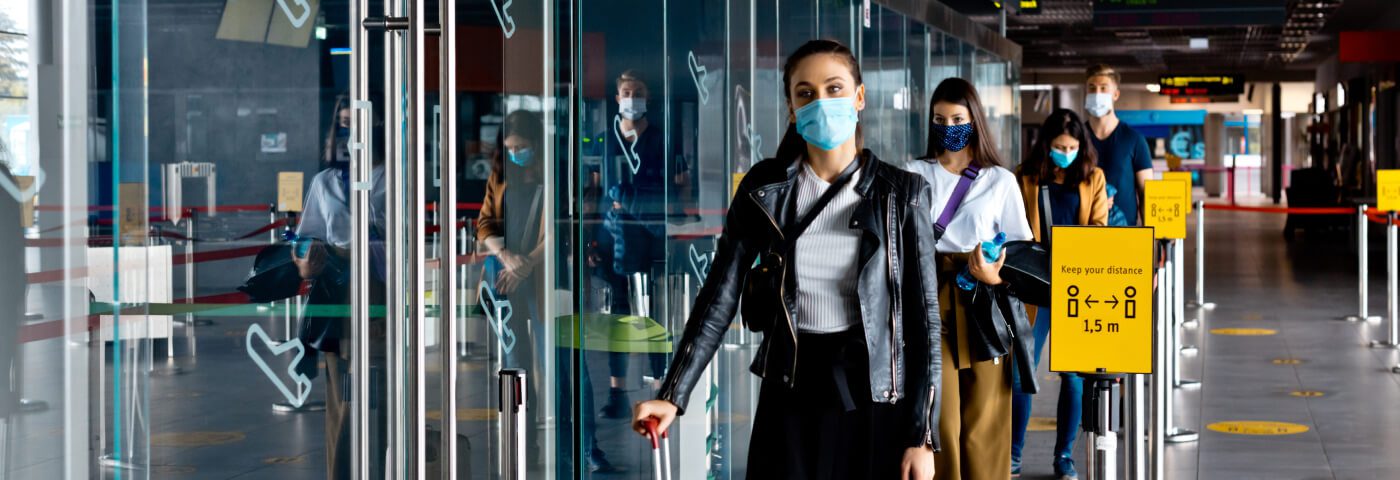
New and stricter guidelines in terms of hygiene during in-flight operations, and being able to improve passenger confidence regarding safety on board, now means taking extensive disinfection precautions. This starts with guidelines upon arrival at the airport, during check-in, through to security checks and boarding and extends to the thorough cleaning of all surfaces and appliances on board.

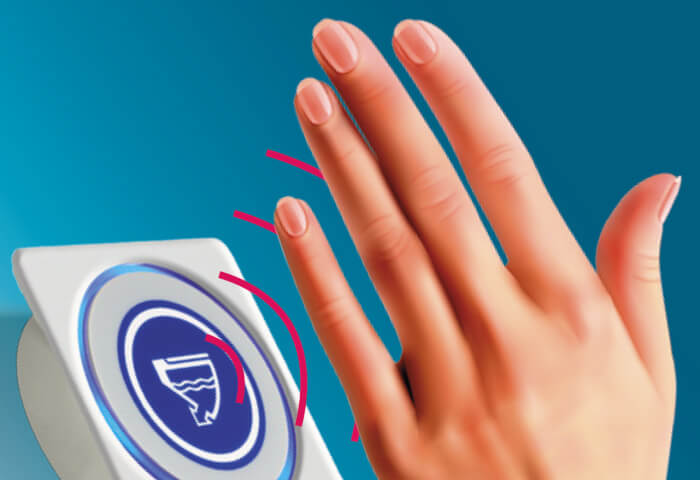
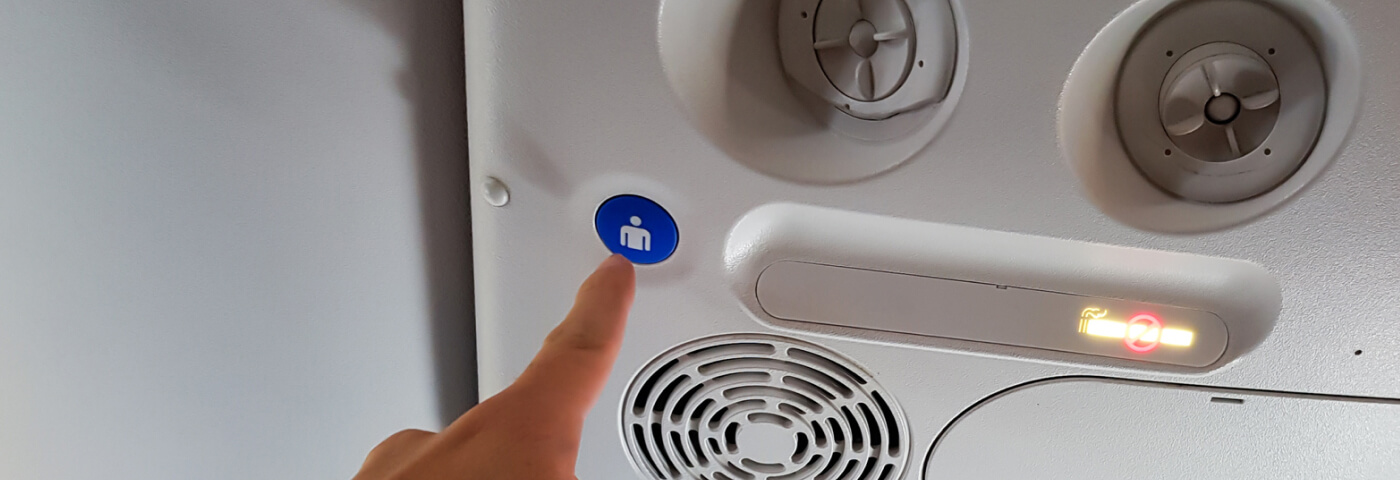
The disinfection of critical areas in aircraft is a top priority. In addition to the tray tables and the seatbelt buckles, an area of focus is on the lavatory flush switches. The AES FS0945 lavatory flush switches are a seamless solution. By way of IR sensors, hand movement activates the flush switches. This provides a contact-free solution, reducing the spread of bacteria and viruses onboard.

These products have been certified for the Airbus A350 program and have been in successful operation for many years. They have also been selected for the Airbus ‘Airspace’ project and that means that the qualification process for the Airbus A320 family is already complete.

To find out more about the AES flush switches, visit their website.

Crystal Cabin Meets with Diehl Aviation

Crystal Cabin Meets with Diehl Aviation

‘Crystal Cabin meets…’ is a podcast where aircraft interiors experts talk about the latest trends, success stories and the industries’ future. Compiled by the Crystal Cabin Award, the only international award for excellence in aircraft interior innovation.

For episode two, they were joined by Dr Helge Sachs and David Voskuhl from Germany based Diehl Aviation. The conversation revolves mainly around touchless travel and Diehl’s touchless aircraft cabin features. Listen below:

This episode is curated by Carmen Krause-Bösterling, Project Lead Crystal Cabin Award & Julia Grosser, Manager Marketing & Communications at Hamburg Aviation and at Crystal Cabin Award Association.

Highly effective and stable bactericidal surface coating for aircraft

Highly effective and stable bactericidal surface coating for aircraft

With surfaces onboard aircraft under scrutiny, many anti-bacterial coatings are making their way to market. Items such as tray tables, galley equipment and bathroom fixtures are regularly touched and could spread viruses. To combat this, solutions such as MetalSkin from Aqua free is looking to make its way onboard.

MetalSkin is an innovative patented coating technology to obtain surfaces with bactericidal properties and is applied like a varnish. The active ingredient against bacteria in MetalSkin is copper, which is highly effective at combating the spread of viruses. Unlike traditional copper coatings, however, materials coated with MetalSkin do not alter their surface finish during use.

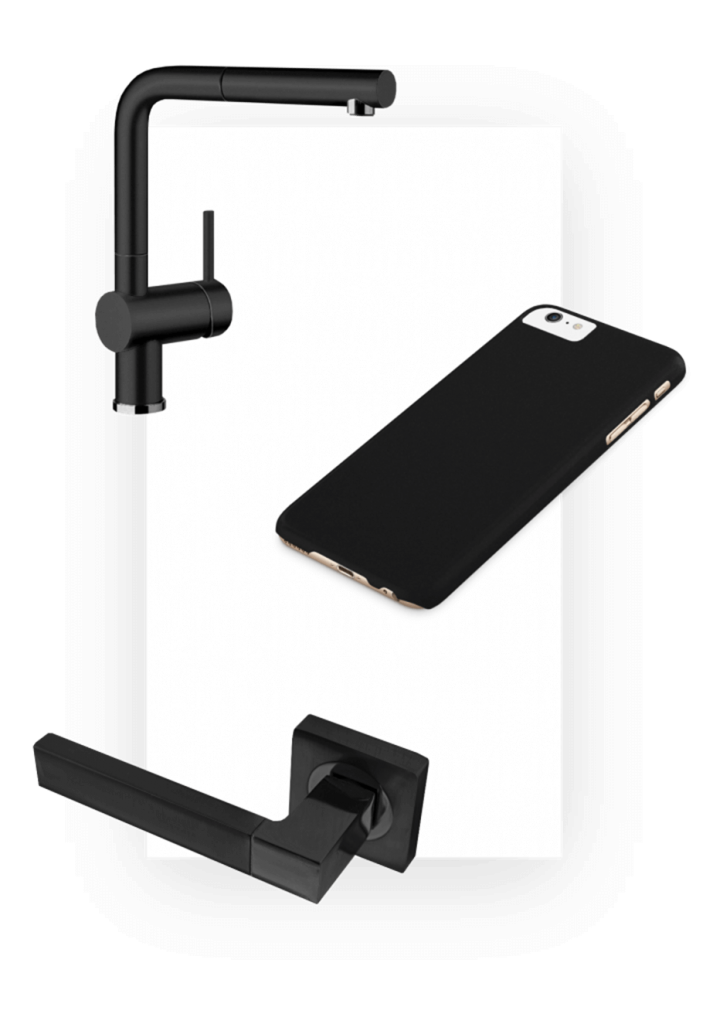
MetalSkin can be applied to many different products. (Aqua free)

MetalSkin consists of two components; elemental copper, and a polymer matrix, in which the copper is integrated. The proportion of copper in MetalSkin is approximately 92%, which is larger than that of copper alloys (60-88%), which are typically used for coatings. This forms a sheer protective layer after application to the surface, which does not change even after months of use. The coating can be applied to plastic or metal surfaces and has an anthracite-grey colour.

The effect of MetalSkin has been successfully tested in several test procedures. For this purpose, the effect on water germs, typical skin germs and germs of the gastrointestinal tract was examined. The test according to international standard ISO 22196: 2011-8 showed a log reduction of 5.9 log for S. aureus and 6.7 log E. coli and 4.9 log for P. aeruginosa after the standard exposure time of 24 hours. To test the efficacy even with short contact, a three-hour interval was also tested. Even after the short exposure time, there was already a clear killing of bacteria: log 4.6 for S. aureus or log 4.3 E. coli and log 3.0 for P. aeruginosa.

In addition, the bactericidal effect of MetalSkin Medical has been tested according to the stringent French standard NF S90-700 (2018) (P. aeruginosa, S. aureus, E. hirae and E. coli). In all four species, the required in the standard germ reduction was achieved by the copper polymer or even outbid many times.

For more details about Metalskin® medical, contact Mr. Holger Eggert:
Email: h.eggert@aqua-free.com
Phone: +49 (0) 40-468999-761
Website: https://www.aqua-free.com/en/

Flexibility and support are IFE industry’s COVID-19 watchwords

Flexibility and support are IFE industry’s COVID-19 watchwords

COVID-19 is affecting all corners of the aviation industry, including the companies that provide onboard inflight entertainment (IFE). They are being asked to play an increased and changing role in the passenger experience as a result of the pandemic.

It’s a complicated web that includes managing ageing content, replacing the functionality of printed material like magazines and menus, extending lifespans of systems onboard, adding retrofit programmes, and accelerating the arrival of wireless ordering and payment.

We spoke with five industry players — alphabetically, Bluebox, Burrana, Panasonic Avionics, Safran Passenger Innovations and Thales — to learn what airlines are telling them, and how they’re responding.

Airline messages are remarkably consistent across the board

“This is a critical time for airlines who are having to make major adjustments to their businesses,” says Hernan Abbes, Panasonic Avionics’ regional vice president and general manager for the Americas and Oceania regions. “A key part of that is reducing the size of their current operating fleets, particularly widebody aircraft, and that has impacted the levels of linefit and retrofit work we are carrying out.”

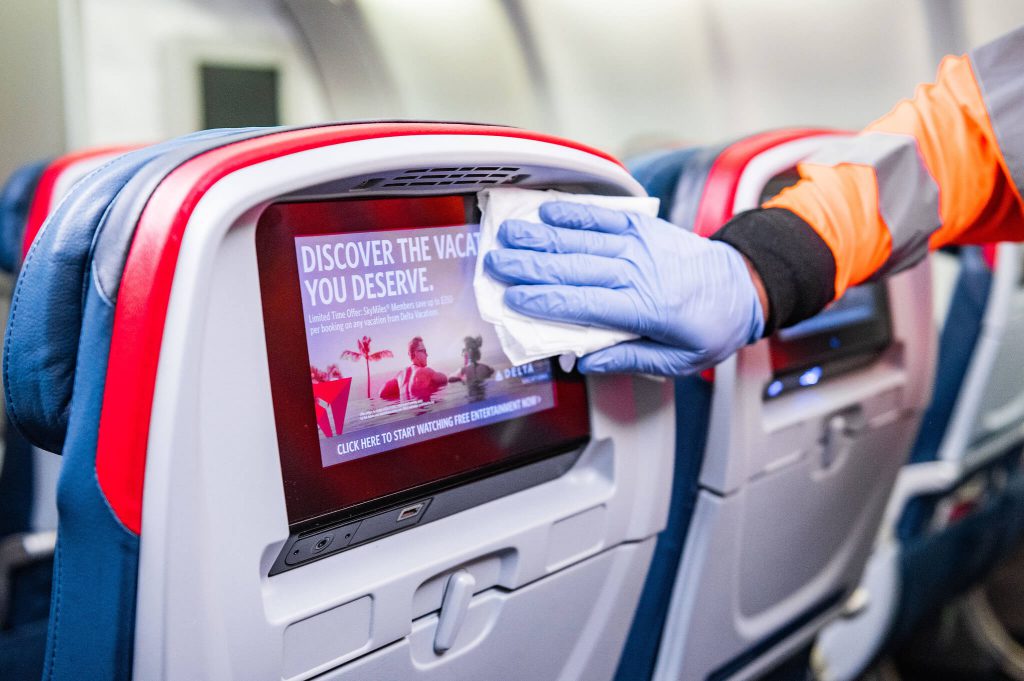
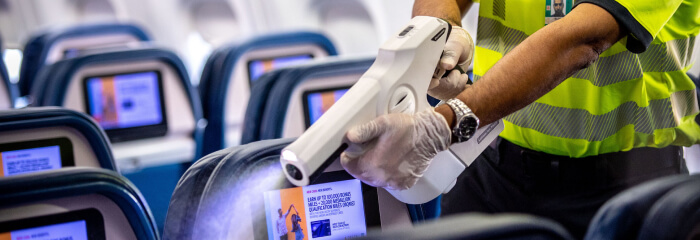
Seatback screens need to be regularly cleaned. (Delta)

As a result, Abbes explains, “Airlines are looking to us to help them through this crisis by offering relief on payments terms, and evolving programs.”

The first reaction across the industry, the IFE providers essentially agreed, was one of uncertainty, which then moved relatively swiftly to a rapid handbraking of capacity to reduce costs, including delaying new aircraft, pushing retrofit work into the future, and in some cases allowing programmes to undergo another design iteration.

Every airline customer is different, though, John Sickler, Safran Passenger Innovations’ vice president for customer and program management says. “At the moment, most of our airline customers are assessing their businesses and doing what is needed to make sure they are as resilient as they can be during this time. We see airlines taking this opportunity to adjust existing and pending fleets to match new route structures and gain efficiencies.”

“For some,” Sickler notes, “this means refocusing priorities, and many are concentrating on their customer experience and making progress on objectives during this time of reduced air traffic. It is definitely not one size fits all.”

Indeed, in the inflight entertainment world as elsewhere, a substantial amount of activity within Asia, where short-haul and regional services use widebody aircraft with seatback systems more regularly than in most other regions, and Europe is leading the way to an initial resumption of flying.

In some cases, this is leading certain airlines to look to extend the lifecycle of older legacy systems, such as the PAVES system that is now part of the Burrana portfolio.

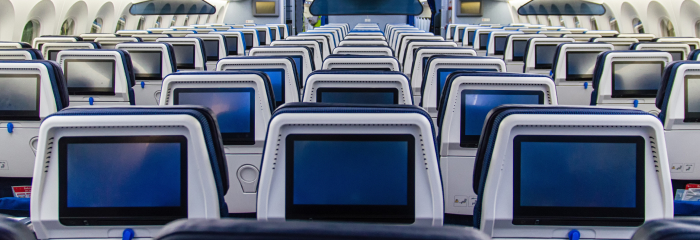
The back of plane seat with blank screens
With hundred of screens to clean, turn-around times will have to increase.

Airlines, says chief executive David Pook, are looking to reduce their exposure to obsolescence and keep legacy systems around longer. In addition to this, however, “we are seeing an uptick in customer enquiries especially for PAVES overhead upgrades, retrofit enquiries for in-seat power — especially from LCCs — and a heightened interest in wireless entertainment.”

As a result, in the context of its new RISE system brand, says Pook, “we are focusing our initial RISE development on single aisle configurations, and on the solutions that solve airline challenges such as time to market, how to streamline efficiencies, reduce cost and weight, add revenue, reduce complexity, provide low cost upgrade paths to remove obsolescence, et cetera.”

Airline priorities are keeping the lights on and maintaining a barebones #PaxEx

Inflight entertainment providers are having to not only keep their own lights on, but to ensure that the screens onboard the aircraft don’t go dark, often with reduced staffing both internally and at the airlines they work with.

Airline priorities are, for the most part, still in emergency mode, with Bluebox chief executive officer Kevin Clark highlighting that the current focus is on “Planning schedules and the operational matters associated with bringing services back, [and] delivering a safe environment for crew and passengers — airlines all need to build passenger confidence to travel.”

“For those with IFE,” Clark says, “it’s about reactivating the existing systems as simply/quickly as possible so that the airlines are confident that they have a solid offering and can move on to focus on the main operational priorities. All have a desire or even requirements to include COVID related messaging in their systems, an explanation of hygiene procedures on board for example. This need to be injected into the active content set at the appropriate points.”

With less interaction between crew and passengers, IFE systems can be used to communicate important messages instead.

Fundamentally, though, Clark is realistic that IFE suppliers’ main challenge at present is to ensure they occupy what he calls “the appropriate place in the airlines’ attention”. In essence, it’s about ensuring that Bluebox is working with the right staff in the context of furloughs, playing a supporting, and working through integration challenges quickly to get offerings in place on board the aircraft.

For his part, Safran’s Sickler sees two groups of airlines at present: those that are focussing on finances and their core operations, while putting most other projects on ice; and those that have a little extra security, which is certainly focussed on ensuring they operate at the right scale. The latter is also looking to the future and progressing new aircraft programmes so that they can be in a stronger competitive position at the end of the crisis.

Responding to the long haul narrowbody world in a touchless way is key

With capacity dropping abruptly, the arrival of aircraft like the Airbus A321neo, and particularly its longer-range A321LR and A321XLR variants, is certainly welcome in airline planning departments.

“In many cases, older aircraft are being replaced with larger single-aisle aircraft that can now perform longer, more cost-effective missions,” says John Sickler from Safran. “This, in turn, is driving demand for seat back IFE on single-aisle aircraft, as it is the length of flight, not the aircraft type driving this decision.”

Indeed, whether or not we see more seatback screens, the inflight entertainment industry may well be a key part in transforming the passenger experience during the time of COVID-19, as airlines remove elements like printed menus, magazines and duty-free catalogues.

Related articles
Thales’ director of marketing Jerry Thomas explains: “Through ongoing conversations with our airline partners, we have defined the digital products and services that will be most effective to them in the current environment including technologies that reduce touch in the cabin, touchless features and unique services to increase ancillary revenue. An example is that the eReader on the seat-back monitor or a PED is a great alternative to onboard hardcopy magazines. The Thales IFE system also offers a feature that allows passengers to pair their PED with the seat-back screen to act as a remote control reducing direct contact with the monitor.”

This touchless world may even expand further, Thomas suggests, with “services such as targeted advertising and digital shopping to help airlines drive additional ancillary revenue. We are also bringing solutions to limit unnecessary interaction between the crew and passengers through services such as AirFree, which allows passengers to browse and purchase duty-free items from their connected device and then pick up their merchandise upon arrival at the airport.”

The challenge for the inflight entertainment industry, and indeed for the entirety of the airline ecosystem, is to keep attuned to what feels like a constantly changing world, develop solutions to the challenges that arise, and remain flexible in response to what is aviation’s greatest challenge.

Next-Generation emergency beacon launched for commercial aircraft

Next-Generation emergency beacon launched for commercial aircraft

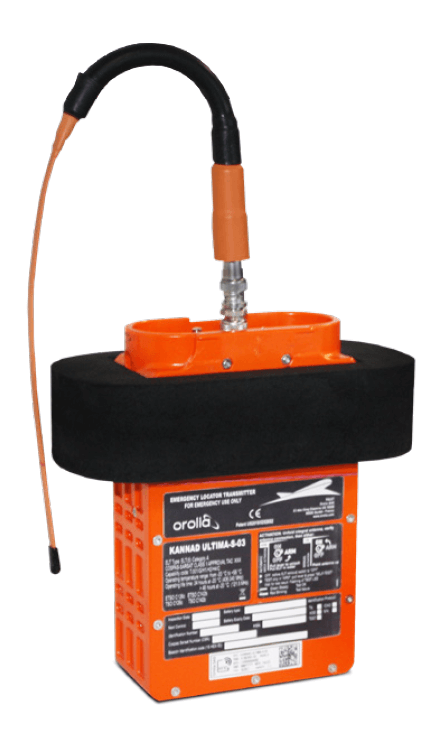
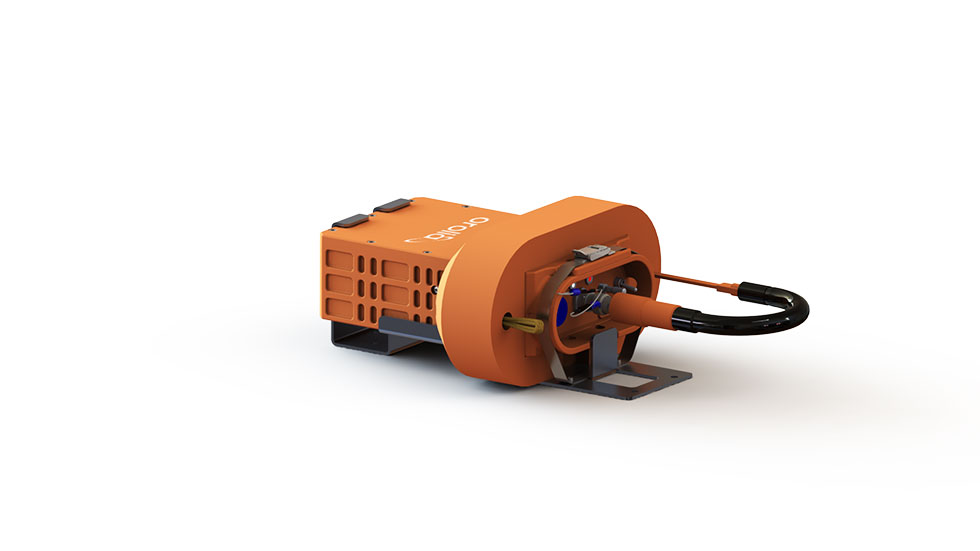
As a world leader in Resilient Positioning, Navigation and Timing (PNT) solutions, Orolia is launching a world-first in aviation safety technology. The new Kannad Ultima-S Emergency Locator Transmitter (ELT) for commercial aircraft or life raft is the first ELT capable of notifying the crew about the launch of a Search and Rescue operation via Galileo Return Link Service (RLS).

The Kannad Ultima-S ELT was developed under a two-year contract through the European GNSS Agency’s Tauceti Project. Some of the key features include:

  • Certified to the new lithium battery regulations to avoid the risk of battery fires.
  • A multi-GNSS receiver to accept multiple signals such as GPS, Galileo, etc. to detect the aircraft’s location faster and deploy rescue teams sooner than ever before.
  • Dual activation modes: manually or automatically upon contact with water.
  • A Return Link Service (RLS) option to notify the crew that the distress signal has been received and help is on the way (available on Galileo).
  • Multiple configurations are available to install in aircraft cabins and life rafts. With a rugged, compact, and easy to install form factor, both versions can be easily installed through a carry-off bag or a mounting bracket and require little storage room.

Oriola states it is “dedicated to making air travel even safer than it is today with resilient positioning and aircraft location technology” and “Passengers can rely on Kannad Ultima-S to be located accurately and rescued as quickly as possible in case an aircraft evacuation is needed.”

Christian Belleux, Aviation Product Line Director at Orolia added: “We are excited to present aircraft operators with an affordable, reliable and state of the art ELT solution for cabin modifications or linefit installations.”

The Kannad Ultima-S survival distress beacons complement Orolia’s Ultima family of next-generation ELTs, such as the Ultima-DT. For more information, visit the Orolia website.

The priorities for airlines moving forward, and what steps need to be taken to reassure passengers

The priorities for airlines moving forward, and what steps need to be taken to reassure passengers

As aviation responds to the unprecedented COVID-19 situation, aviation journalist John Walton offers his opinion and analysis of the steps needed to reassure passengers and to get the world moving again.

It’s no exaggeration to say that the COVID-19 crisis has been, and continues to be, the greatest challenge to commercial aviation in its more than one-hundred-year history. The response will define the industry for generations, and like the rest of the world, the industry will be forever changed by the decisions it makes.

Many airlines have been doing hard work to persuade passengers that flying right now is safe. Some airlines are blocking seats on the recommendation of their medical advisors, some others are not on the advice of different medical advisors, and it’s clear there isn’t currently a global, coordinated approach.

An Delta cabin crew member hands out snacks onboard a flight
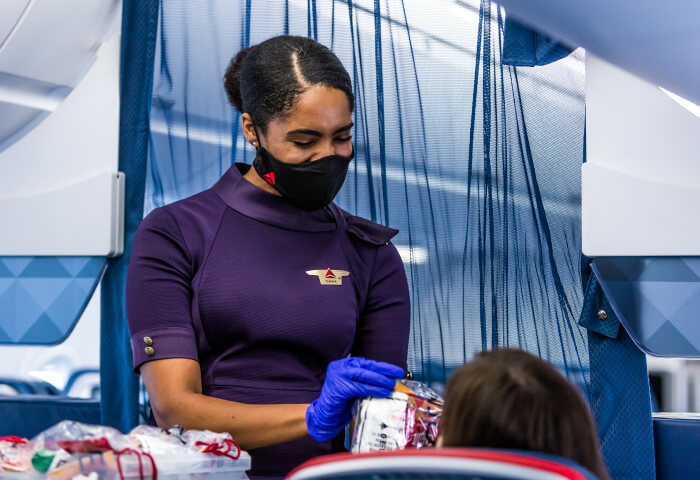
Each airline has introduced its own ways of tackling the pandemic (Delta)

Currently, there is little international coordination, with different countries and airlines having different strategies. As the northern hemisphere heads into winter, the expected seasonal amplification of the coronavirus could see travel drop even further. With second waves growing in many countries that have had success in combating the virus, and further growth of the first wave continues in those that have not, it will be a turbulent few months.

By and large, airlines’ priority right now is survival, especially as in some countries the governmental support, furlough schemes and wider economic initiatives are scheduled to end. But the key for aviation will be to innovate out of this crisis — a theme that countless interiors suppliers worldwide have been reiterating this summer when I’ve spoken to them.

Airlines need to drive passenger trust inside, and outside, the cabin

People are, by and large, concerned about the risks of catching COVID-19 when travelling, especially in the close confines of the aircraft cabin. Almost every airline’s website has earnest, serious pitches about their new cleaning programmes, safety standards, air filtration, onboard masking requirements, and service changes to minimise contact.

Many are revamping premium cabin amenity kits to include disinfectant for hands, in the form of alcohol gel, and for nearby surfaces, in the form of a disinfecting wipe. These products are also widely available in economy class, and passengers continue to bring their own onboard.

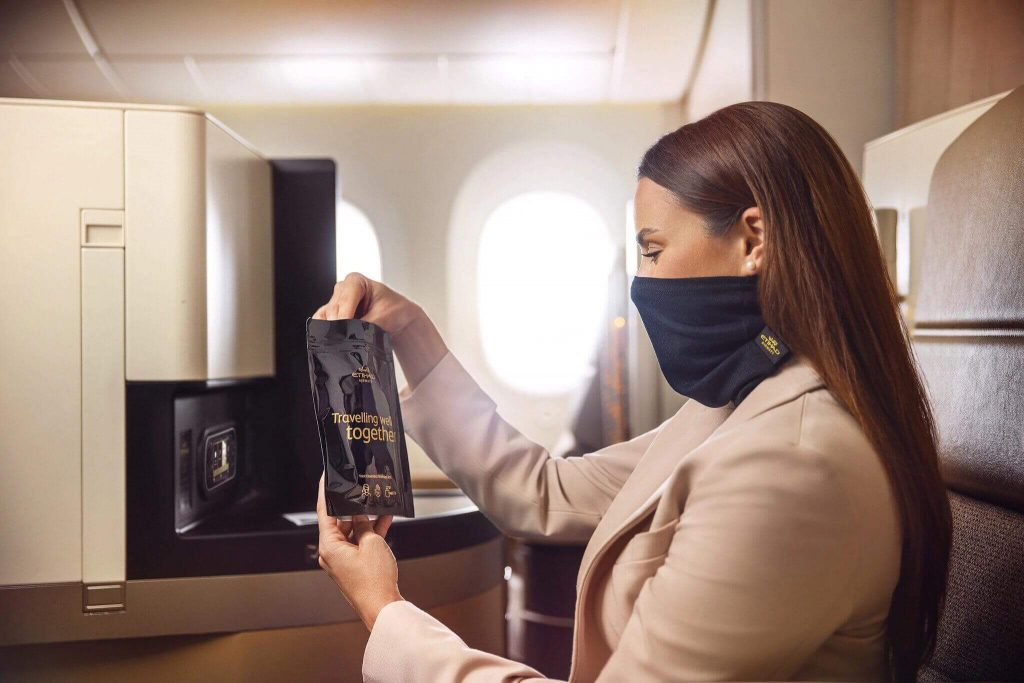
A woman wears a new Etihad Microbarrier facemask while sitting onboard a plane
Etihad is offering premium face coverings to its passengers (Etihad)

The efforts outside the cabin are equally important too: with extra bus gate vehicles being laid on by some airlines to enable physical distancing, accelerated rollout of contactless #PaxEx touchpoints, and even increased automation of many processes.

The need for cabins to be not just clean but visibly clean is at the front of minds across the industry. Much of the innovation in the past has focussed on hiding dirt with carefully crafted fabrics on floors and seats. Now innovations and new products will abound as airlines seek to prove the absence of dirt and grime. Will we finally see non-textile flooring conquer the cabin, for example?

The spread of the virus onboard is still being studied

Fundamentally, there are still many questions about the spread of this particular coronavirus within cabins. There’s no scientific consensus yet, despite a lot of modelling, and airlines shouldn’t be afraid to say that.

Trade association IATA, in response to studies from the early epidemic, recently stated that “we believe that the data is telling us that the risk of onboard transmission of the virus is low when compared with other public indoor environments, such as trains, buses, restaurants and workplaces. There are published examples which indicate a much higher risk in these environments.”

But the US Centers for Disease Control and Prevention is clear that travel is included as one of its “higher risk activities”.

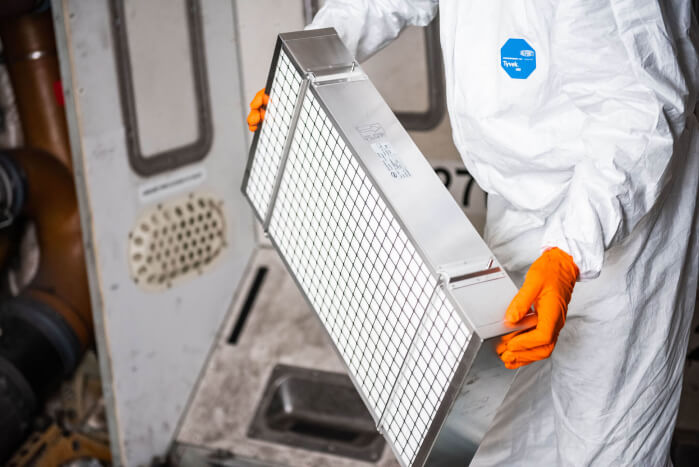
A worker holding a HEPA filter
Airlines were quick to advertise the benefits of HEPA filters (Delta Air Lines)

“Air travel requires spending time in security lines and airport terminals, which can bring you in close contact with other people and frequently touched surfaces,” the CDC says. “Most viruses and other germs do not spread easily on flights because of how air circulates and is filtered on airplanes. However, social distancing is difficult on crowded flights, and sitting within 6 feet of others, sometimes for hours, may increase your risk of getting COVID-19.”

The European Centre for Disease Prevention and Control concurs: “all forms of transport that bring people into close proximity, particularly in closed/indoor spaces, pose an increased risk for transmission.

It is a fundamental problem that the science is still out on how coronaviruses spread on aircraft — HEPA filters notwithstanding — and indeed on how the aerosol and droplet behaviour of the SARS-CoV-2 coronavirus that causes COVID-19 may be affected by what are relatively dry environments.


Related posts


What if airlines admitted they don’t know the extent to which it is transmitted inside the cabin? What if they properly acknowledged — as they used to do when talking about holistic passenger journeys — that air travel doesn’t begin and end onboard the aircraft, and that airports may need to drastically change in capacity and operation until a vaccine is found?

Airlines should be highlighting the steps they are taking to make flying as safe as possible. As we still don’t know if flying is any more or less safe than any other environment, airlines need to show the ways they’re trying to keep passengers as safe as they can.

A Delta worker uses a misting gun
Delta Air Lines has introduced new cleaning products onboard (Delta Air Lines)

There is much positive work coming out around branded sanitisation processes that show passengers that airlines are acting responsibly: The PlaneCareCleanStandard+ sort of initiative, co-branding with household names like Clorox, and so on.

New responsibilities for airlines in the new normal

The COVID-19 pandemic has changed our world in ways we can’t even measure, and in many ways, we haven’t even realised yet. As an industry spanning that world, the passenger experience has changed, is changing and will continue to change.

The aviation industry is still looking for signs that travel can return to 2019 levels – but should that be the goal? Behind the coronavirus crisis looms what may be a bigger one: our changing climate and the effect that climate change has on us all.

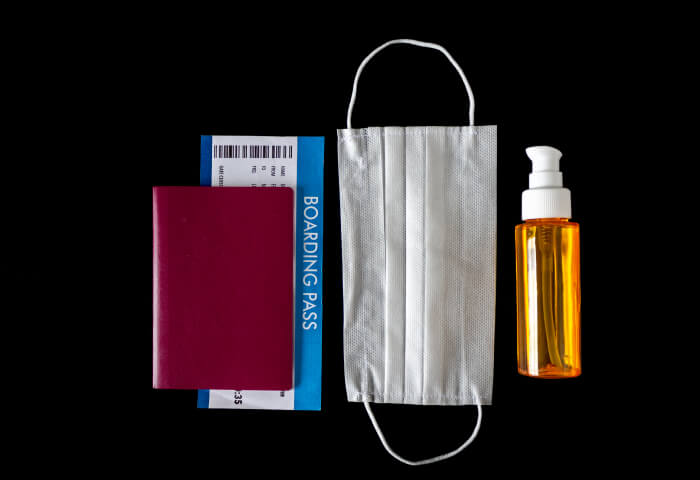
A passport, boarding pass, face mask and spray bottle
Face masks are set to become part of the new normal of flying

The two issues are already inextricably linked in many countries, with bailout agreements between European governments and airlines being used to curtail domestic flying where lower-carbon replacements are an option.

Airlines are, and need to engage even more strongly with a sustainable agenda rather than resent or fight it, embracing through-ticketing, protected connecting itineraries, and engaging with new services to make passenger journeys easier.

The lessons of the COVID-19 experience, whatever they turn out to be, need to be learned and integrated into the passenger experience of the future.

PAX Week Views #8: Daniel Baron, CEO, LIFT Aero Design & Dr. Sean O’Kell, Business Unit Director, STG Aerospace

PAX Week Views #8: Daniel Baron, CEO, LIFT Aero Design & Dr. Sean O’Kell, Business Unit Director, STG Aerospace

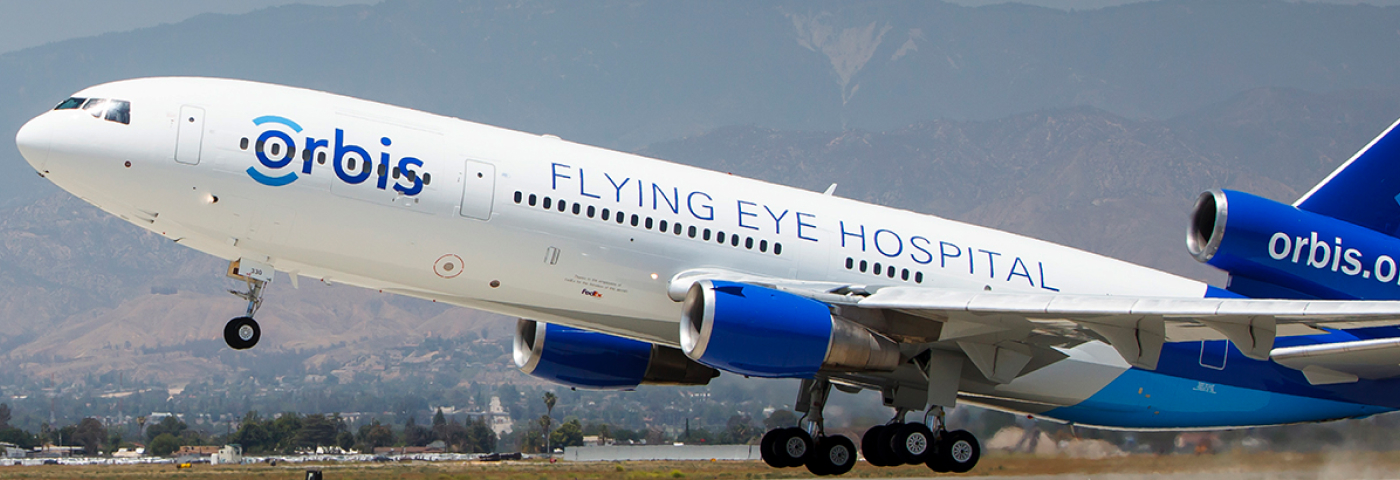
PAX Week Views returns to discuss the Orbis Flying Eye Hospital – a fully accredited ophthalmic teaching hospital on board a customised MD-10 aircraft.

As the official charity partner of Aircraft Interiors Expo, the work of Orbis UK is bolstered by generous donations from leading cabin interior suppliers. Together, Daniel and Sean discuss their involvement with Orbis and the innovative technologies used onboard.

How Orbis helps around the globe

With its network of partners, Orbis trains and mentors entire local eye care teams – from health workers in rural clinics to eye surgeons in urban centres – in low- and middle-income countries. Orbis does this through long-term, in-country programmes, its telemedicine platform, Cybersight, as well as onboard the Orbis Flying Eye Hospital.

Find out more about the work Orbis do on their website.

Crystal Cabin Awards announces two new categories

Crystal Cabin Awards announces two new categories

Air travel during the pandemic: Crystal Cabin Award announces two special categories

In 2021, in view of the global Covid-19 pandemic and its impact on global air travel, there will be two special categories for the Crystal Cabin Award, the leading global accolade for innovations in the field of aircraft cabin and on-board products: “Clean & Safe Air Travel” and the “Judges‘ Choice Award”.

The two categories were developed by a task force of the Crystal Cabin Award Association, which is led by Hamburg Aviation, in collaboration with members of the expert jury, spread over four continents. “Clean & Safe Air Travel” is targeted at innovations for aircraft in the areas of health, hygiene, safety, and cleanliness.

The “Judges’ Choice Award” has been designed for entries that would otherwise have been submitted in one of the eight regular categories, including Cabin Systems and In-Flight Entertainment and Connectivity. The two special categories will also be open for student submissions.

Award ceremony in Hamburg

Winners of these special categories shall, as always for the Crystal Cabin Award, be chosen by an international jury of almost 30 experts in parallel with the Aircraft Interiors Expo in Hamburg in 2021.

At the same time, winners of the coveted trophies will also be selected from the existing finalists in the eight main categories. The current Crystal Cabin Award round was temporarily suspended in March 2020 due to the Covid-19 pandemic.

Entries for the two special categories can be lodged online at the Crystal Cabin Awards website from 1 October 2020.

 “Crystal Cabin meets…” podcast launched

The Crystal Cabin Awards has also recently launched a podcast. With a focus on aircraft interiors, hear from the experts as they talk about the latest trends, success stories and the industries’ future. You can listen to the first episode on the AIX Hub.

New dates announced for AIX and WTCE 2021

New dates announced for AIX and WTCE 2021

AIX and WTCE will now transition to a Virtual event in 2021. Read our latest press release to find out more.

Aircraft Interiors Expo (AIX) and World Travel Catering & Onboard Services Expo (WTCE) announce they will bring the industry together in Hamburg in September 2021

Reed Exhibitions, the organiser of the leading events for the global cabin interiors and inflight services industry, has today announced new dates for 2021. Both AIX and WTCE will return to the Hamburg Messe from 31 August to 2 September 2021, moving from the original April dates.

This early announcement allows time for businesses to adapt and plan to ensure that the events continue their critical role in bringing the global industry together again.

Speaking about the announcement, Polly Magraw, Exhibition Director, Aircraft Interiors Expo and World Travel Catering & Onboard Services Expo, said: “After consulting with exhibitors and airlines, we recognise the industry needs more time to allow for the reopening of borders, lifting of travel restrictions and resuming of services. It is clear that the industry needs to meet in person later in 2021. Our priority is to deliver an engaging and COVID-secure face-to-face event in September that gives our exhibitors and visitors the additional time to adapt and continue on the path to recovery.

“We once again want to thank all of our exhibitors, visitors, and partners for their support.”

“Now, more than ever, there is a strong need to reunite, connect and do business. The importance of AIX and WTCE cannot be underestimated as the largest marketplace that brings together key stakeholders from the global supply chain. We are confident that this decision best supports the industry, and in September we will be ready to regroup and look ahead to the future.

“The majority of exhibitors have already confirmed their participation at the face-to-face events in 2021, and we continue to focus on keeping the industry connected during this time, fostering collaboration, promoting new innovative solutions and helping to nurture critical business contacts. We look forward to facilitating this through a further series of virtual events, set to take place in April, details of which will be announced soon.

“We once again want to thank all of our exhibitors, visitors, and partners for their support. We believe this extra time ahead of the 2021 events will offer exhibitors reassurance and more opportunity to prepare their fantastic showcases, and for our visitors to be ready to restart planning for the cabins of the future.”

For updates and further information, please visit the Aircraft Interiors Expo website or the World Travel Catering & Onboard Services Expo website.

For further press information please contact Beki McVicker or Lottie Croker at the Aircraft Interiors Expo (AIX) press office on +44 (0) 207 240 2444 or email: AIX@stormcom.co.uk

The Outlook for Aircraft Interiors – looking to 2021

The Outlook for Aircraft Interiors – looking to 2021

The focus of this PEC Virtual Series webinar is all about looking toward 2021 and how airlines and their interior supply chain partners can tackle the continuing challenges. Hear the latest future fleet scenario from Cirium, a look at the trends in retrofit and line-fit products, and the outlook for interior components.

For more video insights, sign up to the AIX channel.

What UV-C light can do for clean air travel – Crystal Cabin Meets Episode 1

What UV-C light can do for clean air travel – Crystal Cabin Meets Episode 1

‘Crystal Cabin meets…’ – the podcast where aircraft interiors experts talk about the latest trends, success stories and the industries’ future. Compiled by the Crystal Cabin Award, the only international award for excellence in aircraft interior innovation.

In this episode, Crystal Cabin meets with former finalist Elliot Kreitenberg from California based Dimer LLC together with his cooperation partner Bob Lenz from Honeywell International. They talk about their Honeywell UV Cabin System, which allows to clean the aircraft cabin with UV-C light. This Episode is curated by Carmen Krause-Bösterling, Project Lead Crystal Cabin Award & by Lukas Kaestner, Head of Marketing & PR at Hamburg Aviation and at Crystal Cabin Award Association.

Listen below:

The Crystal Cabin Awards are the premier event to celebrate advances made in improving the onboard passenger experience. They are awarded during AIX and the winners will be revealed at the show in 2021. Find out more about the Crystal Cabin awards on their website.

Sustainable onboard solutions – how they can support the recovery

Sustainable onboard solutions – how they can support the recovery

The future of onboard solutions is still to be decided, but it should definitely be sustainable. And, with new solutions needed, now is the right time for innovation and exciting new products. In this PEC Virtual Series webinar, we’re joined by an expert line-up who will be looking at how sustainable solutions can also help the airlines and their partners in the recovery.

For more video insights, sign up to the AIX channel.

AIX Look Back: How 3D Viz use VR for Cabin Design

AIX Look Back: How 3D Viz use VR for Cabin Design

A virtual experience

VR isn’t just making its way onboard, it can also be used to show cabin designs to prospective buyers. In 2019, we were joined by 3D Viz, who specialise in using VR technology to display many of the different onboard options.

Helping to make decisions

3D Viz see their offering as a great way for decision makers to quickly and easily view different seats, finishes and more in a virtual environment. This could offer an extra way for suppliers to show off their product range. As the world’s leading expo for the latest innovations, technologies and products for cabin interiors, AIX always welcomes new and exciting solutions.

Direction of Travel: Flying more sustainably

Direction of Travel: Flying more sustainably

This PEC Virtual Series webinar is all about sustainability. It has already been a major focus in the industry for the last few years, but now the Coronavirus gives airlines, caterers and manufacturers the chance for a green reset. This webinar is sponsored by Luminator Aerospace.

For more video insights, sign up to the AIX channel.

Driving New Revenue Streams From A Customer-centric Journey

Driving New Revenue Streams From A Customer-centric Journey

Watch this PEC Virtual Series webinar focused on how airlines and their travel partners can revolutionise the retail experience onboard and find new revenue. This webinar was sponsored by Diehl Aviation and Green Gourmet.

For more video insights, sign up to the AIX channel.

AIX Look Back: Scott Savian and the connected cabin

AIX Look Back: Scott Savian and the connected cabin

The connected cabin

In 2019, Scott Savian joined us, then of Safran Cabin, at Passenger Experience Conference. He was focused on how to really disrupt the cabin and finding new ways to create value onboard.

Looking to the future

Savian also spoke about the new air spaces that are really exciting including the possibility of EVTOLs and supersonic aircraft.

Savian also recently joined us during the Autumn edition of the PEC Virtual Series to discuss the customer experience and how it will define the economy of the next 50 years. You can watch that webinar on demand here.

Image used in the header is Copyright of Adrien Daste / Safran.

The economy of the next fifty years will be run by the customer experience

The economy of the next fifty years will be run by the customer experience

The travel landscape has changed dramatically in the past five months, with more changes on the way. One major change is the passenger’s fear and need for some kind of normalcy – which is why, from a customer service perspective, empathy has never been more important.

For more video insights, sign up to the AIX channel.

Flying for All – What next for the accessible cabin?

Flying for All – What next for the accessible cabin?

Initiatives to ensure that flying becomes more accessible for all passengers, including those travellers with mobility issues, as well as people with other disabilities such as visual and hearing impairments, were increasingly in the spotlight over the past 18 months. How have they been impacted by the pandemic?


As airlines and suppliers respond to the requirements of governments and regulators post coronavirus – and gain a better understanding of passenger demand and demographics – what will be the impact on accessibility initiative in cabin products and onboard services? And what will shape the next round of accessibility innovations?

Topics covered include:

  • What cabin solutions will be needed to ensure we reassure all passengers, including those with accessibility need, that they can fly safely, in comfort and with dignity?
  • How will the trend towards touchless experiences support the accessibility needs of travellers?
  • As onboard services and amenities evolve post Covid-19, how should we be rethinking single-aisle cabins to ensure passenger wellbeing and passengers with restricted mobility (PRM) inclusiveness?
  • What next for accessible seating and wheelchair access on board?
  • What are the impacts of government interventions and what is the outlook for future regulation?

Speakers:

Christopher Wood, Founder, Flying Disabled (Moderator)

Geraldine Lundy, Director, Accessible Travel Consultancy

Hans-Gerhard Giesa, Senior Expert Human Factors Cabin & Cargo, Airbus

Matthew Coder, Inflight Experience Program Manager Alaska Airlines

Gina Emrich, Consultant, Open Doors Organization

Hank Scott, Chief Executive Officer, Molon Labe Seating

AIX Look Back: The future of sleep onboard with Aerohealth.Ai

AIX Look Back: The future of sleep onboard with Aerohealth.Ai

Wellbeing should be a focus for all airlines

In 2019, we were joined by Dr Jacques Durand, Chief Innovation Officer, Aerohealth.AI, at the Passenger Experience Conference. Durand is focused on how passenger experience is linked to medical science. The flight is still a tiring undertaking, and with Aerohelth.Ai, Durand is trying to develop a sleep program for travellers.

Making use of data

Durand is also looking to combine several data points, including the purpose of the flight, how the passenger lives before the flight, and more, to create an overall health profile for each passenger.

Improving the passenger experience after COVID-19 is the main focus of the second PEC Virtual Series. Find the full programme on the PEC website and find out how we can all upgrade the future of air travel.

AIX Look Back: Improving Passenger Experience with IATA

AIX Look Back: Improving Passenger Experience with IATA

IATA plans to improve the passenger experience

In 2019, we were joined by Pierre Charbonneau, Director Passenger Experience, IATA, at the Passenger Experience Conference. Charbonneau was looking at how data will start to help create a personalised and efficient

The use of biometrics

Charbonneau also spoke of the possibilities of biometrics being used and how passengers can be traced through their journey in the airport and on to the airplane. This could help to create a more seamless and personalised experience for all travellers.

To find out more about how technology is changing the way passengers travel and how airlines can improve the onboard experiences, make sure to read our ‘Technology in the Cabin’ report. You can find the first part of the four-part series here.

Hear more from Charbonneau in our recent interview.